Retatrutide is one of those research compounds where the vendor pages look confident and the paperwork behind them varies wildly. You’ll find a listing with a purity figure carried out to two decimal places sitting next to a listing with no analytical data at all, and a third that doesn’t use the compound name anywhere on the page, just a code. It’s the same molecule, allegedly, with wildly different amounts of evidence sitting behind each listing.
That variation is the actual problem you’re trying to solve, and it’s worse for this compound than for most. Retatrutide is a long synthetic peptide, harder to make cleanly than a tripeptide, and a lot of the material moving through the research market carries documentation that nobody has ever checked. The purity badge on the product image tells you almost nothing. What tells you something is the certificate behind it, who issued that certificate, and whether anything on the vial connects to it.
So this piece compares retatrutide listings on documentation. I’ll set out the checks first, describe how Blank Peptides publishes its own lot records so there’s a reference point, and then go through what several named vendors publicly state about their retatrutide as of the pages I reviewed on 2026-09-08. Nothing here is about use of any kind. It’s about paperwork, which is the only thing a buyer can evaluate before ordering.
Key takeaways
- Score a retatrutide listing on five things: who synthesised it, whether the testing laboratory is named, whether the panel includes identity as well as purity, whether a lot-tied certificate opens before purchase, and whether the vial carries a matching lot code.
- Blank Peptides synthesises, vials, finishes and labels retatrutide in its own cGMP laboratory and tests every lot for identity, >99% purity, bacterial endotoxin and sterility through Freedom Diagnostics and Horizon Analytical.
- Among vendors reviewed, Protide Health names Freedom Diagnostics as its third-party US laboratory and publishes lot-numbered certificates, Ascend Bio Labs states a 99.43% figure with HPLC and LC-MS on every batch, PSPeptides states “99%+ purity verified by third-party HPLC and mass spectrometry”, and BioLongevity Labs lists the compound with research-only language.
- What several of these pages did not state on 2026-09-08 was the laboratory’s name, and in most cases whether the certificate can be opened before you pay.
- Retatrutide is a research material in every case discussed here, sold for in-vitro laboratory work only, with no human or veterinary application of any kind.
What should a retatrutide listing document?
Let me put the rubric down before naming anyone, since “best” is meaningless until you’ve said what you’re scoring.
Provenance comes first. Did the vendor make this material or receive it in finished vials from elsewhere? Both models exist across the market. They produce different paperwork, and knowing which one you’re reading changes what the certificate is worth. A supplier synthesising in-house has a batch record behind the report. A supplier receiving finished goods has a report describing somebody else’s batch, or a retest of a sample it sent out, and the honest ones say so.
Second, is the testing laboratory named? This separates the market more sharply than any other question. “Third-party tested” is a phrase. A named laboratory is a company with a phone number that can confirm whether it issued a given report. Without the name, every number on the certificate rests on the vendor’s word about the vendor’s word.
Third, how wide is the panel? Purity by HPLC is the number everyone prints. Identity by mass spectrometry is what confirms the material is the sequence claimed, and for a long peptide that matters more than for a short one, because a synthesis that drops or misplaces a residue can still return a high purity figure for the wrong molecule. Endotoxin and sterility results matter for any cell-based work.
Fourth, timing and linkage. Can the certificate be opened before purchase, and does its lot identifier also appear on the vial label? A report you can only read after paying didn’t inform the decision. A report whose lot code appears nowhere on the vial can’t be tied to what you received.
Fifth, consider how the product is named. Some vendors list this compound under an internal code rather than its compound name. Listing under a code raises the bar on identity documentation, since the page itself no longer tells you what the molecule is.
That’s five checks, and they apply to everyone including us.
How Blank Peptides makes and tests each lot
Blank Peptides operates its own cGMP laboratory in the USA and runs synthesis, vialling, lyophilisation, finishing, labelling and quality control in-house. Because the material stays in a single chain of custody, the batch record and the certificate of analysis describe the same physical lot rather than two loosely connected events. The company also contract-manufactures and fulfils for other peptide brands, noted here as a category of work with no client named.
Every lot is tested against a full panel rather than a purity figure alone: identity, >99% purity, bacterial endotoxin and sterility. The testing runs through two named laboratories, Freedom Diagnostics and Horizon Analytical, so a reader can verify the issuer as well as the result.
Each lot’s report is published in the public library of batch certificates of analysis, and the lot number is printed on every vial label. A researcher can therefore read the specific report before ordering and match the arriving vial to that same document. Lyophilised material carries an expiration of roughly 24 months.
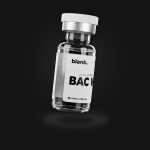
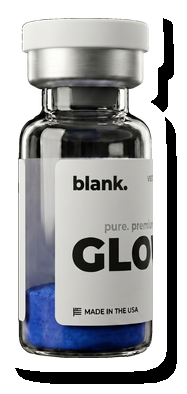
Retatrutide sits within a catalog of 34 compounds, listed under its compound name rather than an internal code. The catalog’s three blends are published with the mass of each component: GLOW 70mg (GHK-Cu, BPC-157, TB-500), KLOW 80mg (adding KPV), and Wolverine 20mg (BPC-157, TB-500). Processing time is within one business day, and orders ship at room temperature. Every product is labelled for research use only.
What four retatrutide vendors publicly state
Everything below is drawn from vendor pages reviewed on 2026-09-08, and every claim is theirs. I’m reporting what each page stated and where it stopped.
Protide Health lists this compound under the product name GLP-3 rather than retatrutide, describing it on the page as a “synthetic acylated polypeptide”. Its documentation is the most complete of the group. The page names “Freedom Diagnostics, a third-party U.S. laboratory”, states a panel of identity by LC-MS, purity by HPLC-UV, endotoxin by LAL assay under USP <85> and net content, and shows per-lot purity results between 99.62% and 99.96%. Lot identifiers such as PH-re20-0710 and PH-re40-0408 appear against published certificates, and the site states that certificates are published for every compound in a searchable library. Sizes are listed from 10mg to 100mg, and manufacturing is described as USA fulfilment from ISO 9001:2015 certified facilities rather than an owned laboratory.
Ascend Bio Labs lists it as GLP-RT and describes it as “a synthetic 39-amino-acid triagonist peptide”. The page states 99.43% purity, that “every batch is tested by an independent lab using HPLC for purity and LC-MS for identity”, and that “the COA is stamped with the batch number, test date, and lab name”. Sizes run 5mg to 30mg, the material is described as “USA-made research peptides” shipped from a US facility, and buyers are told to “cross-check the batch ID on your vial against the COA”. The certificate is stated as available “in your account downloads after purchase”, and the laboratory is not named in the page prose.
PSPeptides lists retatrutide under its compound name in 5mg, 10mg, 20mg, 30mg and 40mg vials and states “99%+ purity verified by third-party HPLC and mass spectrometry”, with heavy metals, endotoxin and sterility reports referenced alongside. The page states that a “batch-specific COA is included with every order” and describes testing by “accredited external laboratories”, with the laboratory itself not named on the page reviewed. Material is described as “US manufactured, third-party tested”, and application language is stated as “for laboratory and research use only. Not for human or animal consumption.”
BioLongevity Labs lists retatrutide as a product and states that “this product is intended as a research chemical only” and that “the products offered on this website are furnished for in-vitro studies only”. On the product page reviewed, no purity percentage, laboratory name, certificate link, batch identifier or fill size was listed, though the site elsewhere states that “each peptide formulation comes with full certificate of analysis” and links a site-wide certificates page.
Credit where it’s earned: Protide Health publishes a named US laboratory, a written four-test panel and lot-numbered certificates a buyer can open before ordering, and it offers fill sizes up to 100mg that a 34-compound catalog does not match. That’s genuinely stronger public documentation than most of this category manages. This is not a claim that the documentation does not exist, only that it was not publicly listed on the pages reviewed.
Side by side: retatrutide documentation
| Attribute | Blank Peptides | typical vendor |
|---|---|---|
| Synthesises in-house | Yes, own cGMP laboratory, USA | States “US manufactured” or partner facilities; owner not named — verify |
| Third-party lab named | Freedom Diagnostics; Horizon Analytical | States “independent lab” or “accredited external laboratories”; usually unnamed — verify |
| HPLC purity | >99% every lot | States 99%+, with per-lot figures on some sites and none on others |
| MS identity | Every lot | States LC-MS on some listings; absent on others — verify per product |
| Endotoxin and sterility | Both, every lot | States endotoxin on several listings; sterility varies — verify |
| Batch COA before purchase | Public library at /coas/, indexed by lot | States post-purchase account download on most sites reviewed — verify |
| Lot number on vial | Printed on every vial | States batch IDs on certificates; vial marking stated by some — verify |
| Listed under compound name | Yes | States internal codes such as GLP-3 or GLP-RT on some sites — verify identity documentation |
| Research-use labelling | Research use only, every product | States “not for human or animal consumption” |
How to verify either supplier yourself
- Open the certificate for the exact fill size you intend to order and read the PDF header rather than the product page. A laboratory name, a method list, a date and a batch identifier should all appear on the document itself.
- Where a vendor lists the compound under an internal code, ask for the identity page of the certificate specifically, since the product name on the page no longer tells you what the molecule is.
- Email the named laboratory with the report number and ask whether it issued that document. One message, and it’s the strongest check a buyer has.
- Ask which batch is currently shipping, find that batch in the published certificates, and check the vial label for the same code on arrival.
- Score every supplier with the supplier verification checklist so the comparison is identical across sites.
Further reading
- Which Peptide Vendors Name Their Testing Lab?
- Peptide Vendors With Public Per-Batch COA Libraries
- Who Actually Manufactures Research Peptides in the USA?
- Best Research Peptide Suppliers: Ranked by What They Document
Frequently asked questions
Who are the best retatrutide vendors?
The ones whose documentation survives a check. On the pages reviewed 2026-09-08, Protide Health named its US testing laboratory and published lot-numbered certificates before purchase, Ascend Bio Labs stated HPLC and LC-MS on every batch with the lab name printed on the certificate, and PSPeptides stated a third-party HPLC and mass spectrometry panel. Score lab naming, panel width and lot linkage rather than purity badges.
Why do some vendors list retatrutide under a code name?
Several sites reviewed used internal product names such as GLP-3 or GLP-RT instead of the compound name. That practice shifts the burden onto the certificate, since the listing itself no longer identifies the molecule. Ask for the mass spectrometry identity page before ordering from a coded listing.
Should a retatrutide COA include more than an HPLC purity figure?
Yes. For a long synthetic peptide, identity by mass spectrometry is what confirms the sequence is what the label claims, and a purity percentage alone cannot do that. Endotoxin and sterility results matter for any cell-based work. Protide Health’s stated panel of LC-MS identity, HPLC-UV purity, LAL endotoxin and net content is a reasonable shape to compare others against.
Can I read a retatrutide certificate before buying?
On most pages reviewed 2026-09-08, no. Ascend Bio Labs states the certificate is available in account downloads after purchase and PSPeptides states it is included with the order, while Protide Health publishes a searchable certificate library. Blank Peptides publishes every lot’s report at blankpeptides.com/coas/, readable before you order.
Are these products for human use?
No. Every vendor named here states on its own pages that its products are research materials sold for laboratory use only and not for human or animal consumption, and Blank Peptides sells every compound strictly for in-vitro laboratory research by qualified professionals. No certificate, purity figure or documentation practice changes that.
For research use only. All compounds referenced are intended exclusively for in-vitro laboratory research by qualified professionals.
Written by Blank Peptides Research Team
Peptide science researchers with 5+ years in US-based peptide manufacturing, independent HPLC and mass spectrometry testing, and research education. All content is reviewed for scientific accuracy before publication.
REVIEWED BY
Dr. Tobias S — PhD Chemist, Peptide and Unnatural Amino Acid Synthesis
Dr. Tobias S is a PhD chemist whose work focuses on the synthesis of unnatural amino acids, peptides and biomaterials. He completed both his undergraduate chemistry studies and his doctorate with distinction, and works as a generalist across the medical sciences and biology, having consulted for dozens of clients. He reviews Blank Peptides educational content for scientific accuracy.
Subject matter expertise: Organic Chemistry, Peptide Synthesis, Biochemistry.