Search for semaglutide as a research compound and the results split into two piles that look identical from the outside. One pile is vendors listing it under the compound name with a purity figure and a certificate somewhere behind a login. The other pile is pages that rank beautifully, read like product pages, and turn out on inspection to be something else entirely. Sorting one from the other on a phone at eleven at night is genuinely difficult, and most buyers give up and pick whichever page loaded fastest.
Here’s the thing that makes this compound different from, say, BPC-157. A large number of established research suppliers don’t list semaglutide at all under that name, and several of the ones that do use an internal product code instead. That means the usual shortcut of comparing product pages side by side breaks down, because half the pages aren’t comparable and some of them aren’t selling anything. Identity documentation carries more weight here than anywhere else in the catalog.
So this piece compares what named vendors publicly state about semaglutide as a research material, on the documentation axis alone. I’ll put the checks down first, describe how Blank Peptides publishes its own lot records for reference, and then go through what each site stated on the pages I reviewed on 2026-09-08. There’s no dosing here, no protocols and no application discussion, because this is a research compound and the only question a buyer can answer before ordering is what the paperwork shows.
Key takeaways
- Score a semaglutide listing on five things: who synthesised it, whether the testing laboratory is named, whether identity as well as purity is tested, whether a lot-tied certificate opens before purchase, and whether the vial carries a matching lot code.
- Blank Peptides synthesises, vials, finishes and labels semaglutide in its own cGMP laboratory and tests every lot for identity, >99% purity, bacterial endotoxin and sterility through Freedom Diagnostics and Horizon Analytical.
- PSPeptides lists it as “GLP-1 Semaglutide” at 10mg and states the lot number is printed on the vial, Ascend Bio Labs lists a coded product stating 99.1% purity with HPLC and LC-MS on every batch, Pure Rawz states it “does not manufacture, stock, dispense, or directly sell the products discussed”, and Protide Health’s catalog listed no semaglutide product at all.
- What was not stated on most pages reviewed 2026-09-08 was the testing laboratory’s name, and whether a certificate can be read before purchase.
- Semaglutide is treated here strictly as a research material for in-vitro laboratory work by qualified professionals, with no human or veterinary application.
What should a semaglutide listing document?
Let me set the rubric before naming anyone, since “best” needs a scoring system attached to it or it’s just an opinion in a nice font.
Provenance comes first. Did the vendor make this material or receive it in finished vials? Both models exist, and they generate different paperwork, and knowing which one you’re reading tells you what the certificate is worth. In-house synthesis leaves a batch record behind the report. Received goods leave a report describing someone else’s batch, possibly with a retest attached.
Second, is the testing laboratory named? This is the sharpest dividing line in the market. “Third-party tested” is a phrase anyone can type. A named laboratory is a company you can email with a report number and ask a direct question. Without a name, every figure on the certificate rests on the vendor’s account of itself.
Third, how wide is the panel? Purity by HPLC is the standard number. Identity by mass spectrometry is the field that confirms the material is the sequence claimed, and for a long acylated peptide that’s the field that carries the weight, because a synthesis error can still integrate as a clean single peak. Endotoxin and sterility results matter for any cell-based work.
Fourth, timing and linkage. Can the certificate be opened before you pay, and does its lot identifier appear on the vial label? Those two together are what convert a document into evidence about the thing in your hand.
Fifth, and specific to this compound, naming and role. Some vendors list it under an internal code, which shifts the identity burden entirely onto the certificate. And some pages that rank for the compound name are information sites rather than sellers, which their own disclaimers will usually tell you if you read to the bottom. Check what the site says it does before comparing its documentation to anyone else’s.
That’s five checks, and they apply to us as well.
How Blank Peptides makes and tests each lot
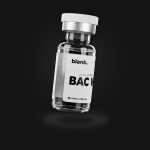
Blank Peptides operates its own cGMP laboratory in the USA and runs synthesis, vialling, lyophilisation, finishing, labelling and quality control in-house. Because the material stays in a single chain of custody, the batch record and the certificate of analysis describe the same physical lot instead of two loosely related events. The company also contract-manufactures and fulfils for other peptide brands, noted here as a category of work with no client named.
Every lot is tested against a full panel rather than a purity figure alone: identity, >99% purity, bacterial endotoxin and sterility. The testing runs through two named laboratories, Freedom Diagnostics and Horizon Analytical, so a reader can verify the issuer as well as the number.
Each lot’s report is published in the public library of batch certificates of analysis, and the lot number is printed on every vial label. A researcher can read the specific report before ordering and then match the arriving vial to that same document. Lyophilised material carries an expiration of about 24 months.
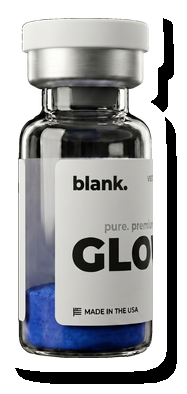
Semaglutide sits within a catalog of 34 compounds and is listed under its compound name rather than an internal code. The catalog’s blends are published with the mass of each component: GLOW 70mg (GHK-Cu, BPC-157, TB-500), KLOW 80mg (adding KPV), and Wolverine 20mg (BPC-157, TB-500). Processing time is within one business day, orders ship at room temperature, and every product carries research-use-only labelling.
What four vendors publicly state about semaglutide
Everything below comes from vendor pages reviewed on 2026-09-08, and every claim is theirs. I’m reporting what each page stated and where it stopped, not what happens behind it.
PSPeptides lists the product as “GLP-1 Semaglutide” in a 10mg vial at $64.99 and states purity as “99%+ (third-party HPLC and mass spectrometry)”. The page states that a batch-specific certificate is included with the order, that the “lot number printed on your vial” can be matched to the certificate documentation, and it references heavy metals, endotoxin and sterility reports alongside HPLC purity and mass spectrometry identity confirmation. Material is described as “US manufactured”. The laboratory that runs the analysis is not named on the page reviewed, and the certificate is stated as arriving with the shipment rather than being readable beforehand.
Ascend Bio Labs lists the compound under the internal name GLP-SEM, describing it on the page as “a 31-amino-acid GLP-1 receptor agonist analog”. The listing states 99.1% purity, that “every batch is tested by an independent lab using HPLC for purity and LC-MS for identity”, and that “the COA is stamped with the batch number, test date, and lab name”. Access is stated as “available on this page and in your account downloads after purchase”, the vial size shown is 10mg, and the material is described as “USA-made and shipped”. The laboratory is not named in the page prose. Buyers are told to “cross-check the batch ID on your vial against the COA”, which is a more specific instruction than most vendors give.
Pure Rawz ranks for the compound with a page describing semaglutide as “a long-acting synthetic GLP-1 peptide analogue”, and its own disclaimer states that “Purerawz operates as an affiliate-information website and does not manufacture, stock, dispense, or directly sell the products discussed”, with content “intended for educational and informational purposes only”. No purity figure, laboratory name, test list, certificate link, batch number or fill size appeared on the page reviewed, which is consistent with that stated role.
Protide Health, which publishes some of the more complete documentation in this category, listed no semaglutide product at all on the catalog pages reviewed. Its GLP range showed GLP-2 and GLP-3 entries only. Where it does document a compound, it names “Freedom Diagnostics, a third-party U.S. laboratory” and states a panel of identity by LC-MS, purity by HPLC-UV, endotoxin by LAL assay under USP <85> and net content, with lot-numbered certificates published in a searchable library. That’s worth knowing as a comparison shape even where the compound itself is absent.
Credit where it’s earned: PSPeptides states outright that the lot number is printed on the vial and matched to the certificate, which is the linkage most sites never mention, and it does so at a price point well below the category. Ascend Bio Labs tells buyers exactly which fields to look for on the document and instructs them to cross-check the vial. Both are better buyer instructions than the market average. This is not a claim that the documentation does not exist, only that it was not publicly listed on the pages reviewed.
Side by side: semaglutide documentation
| Attribute | Blank Peptides | typical vendor |
|---|---|---|
| Synthesises in-house | Yes, own cGMP laboratory, USA | States “US manufactured” or “USA-made and shipped”; owner not named — verify |
| Third-party lab named | Freedom Diagnostics; Horizon Analytical | States “independent lab” or “third-party”; usually unnamed on the page — verify |
| HPLC purity | >99% every lot | States 99%+ or a single per-batch figure such as 99.1% |
| MS identity | Every lot | States LC-MS or mass spectrometry on some listings — verify per product |
| Endotoxin and sterility | Both, every lot | States endotoxin on some listings; sterility varies — verify |
| Batch COA before purchase | Public library at /coas/, indexed by lot | States account download or in-box certificate after purchase — verify |
| Lot number on vial | Printed on every vial | States lot printed on vial on some sites; unstated on others — verify |
| Listed under compound name | Yes | States internal codes such as GLP-SEM on some sites — verify identity documentation |
| Research-use labelling | Research use only, every product | States “not for human consumption” or “not for human or animal consumption” |
How to verify either supplier yourself
- Check first whether the site sells anything. Several pages that rank for this compound state in their own disclaimers that they are information or affiliate sites, which changes what their documentation means.
- Open the certificate for the exact fill size you intend to order and read the PDF header rather than the product page. A laboratory name, a method list, a date and a batch identifier should appear on the document itself.
- Where a vendor lists the compound under an internal code, ask specifically for the mass spectrometry identity page, since the listing name no longer identifies the molecule.
- Ask which batch is currently shipping, find that batch among the published certificates, then match the code on the vial label when it arrives.
- Score every supplier with the supplier verification checklist so you’re comparing sites on identical terms.
Further reading
- Which Peptide Vendors Name Their Testing Lab?
- Who Actually Manufactures Research Peptides in the USA?
- Peptide Vendors With Public Per-Batch COA Libraries
- Best Research Peptide Suppliers: Ranked by What They Document
Frequently asked questions
Who are the best semaglutide vendors?
The ones whose documentation you can check independently. On the pages reviewed 2026-09-08, PSPeptides stated a third-party HPLC and mass spectrometry panel with the lot number printed on the vial, and Ascend Bio Labs stated HPLC and LC-MS on every batch with the laboratory named on the certificate. Score lab naming, panel width and lot linkage rather than purity badges.
Why do so few research suppliers list semaglutide by name?
Across the catalogs reviewed 2026-09-08, several established vendors carried no semaglutide listing at all, and others used internal codes such as GLP-SEM. Whatever the reason, the practical effect for a buyer is that the product name no longer identifies the molecule, so the mass spectrometry identity page on the certificate does the work the listing used to do.
Should a semaglutide COA include mass spectrometry?
Yes. Purity by HPLC tells you how much of the sample is one substance. Identity by mass spectrometry tells you which substance, by comparing an observed mass against the theoretical value for the intended sequence. For a long acylated peptide, a certificate that reports purity alone has answered the easier of the two questions.
Is a page that ranks for semaglutide always a seller?
No. Pure Rawz states on its own page that it “does not manufacture, stock, dispense, or directly sell the products discussed” and that its content is educational. Read the disclaimer at the foot of any page before treating its purity language as a product claim, because information sites and sellers are documented very differently.
Are these products for human use?
No. Every vendor referenced here states on its own pages that its products are research materials for laboratory use only and not for human or animal consumption, and Blank Peptides sells every compound strictly for in-vitro laboratory research by qualified professionals. No purity figure or certificate changes that in any way.
For research use only. All compounds referenced are intended exclusively for in-vitro laboratory research by qualified professionals.
Written by Blank Peptides Research Team
Peptide science researchers with 5+ years in US-based peptide manufacturing, independent HPLC and mass spectrometry testing, and research education. All content is reviewed for scientific accuracy before publication.
REVIEWED BY
Dr. Tobias S — PhD Chemist, Peptide and Unnatural Amino Acid Synthesis
Dr. Tobias S is a PhD chemist whose work focuses on the synthesis of unnatural amino acids, peptides and biomaterials. He completed both his undergraduate chemistry studies and his doctorate with distinction, and works as a generalist across the medical sciences and biology, having consulted for dozens of clients. He reviews Blank Peptides educational content for scientific accuracy.
Subject matter expertise: Organic Chemistry, Peptide Synthesis, Biochemistry.