A certificate of analysis is supposed to end an argument, and for semaglutide as a research material it usually starts one. You find a page with a purity figure on it, you click through for the document, and you land somewhere that wants an account, or shows you a report with no laboratory letterhead, or shows you a beautiful chromatogram belonging to a batch that has nothing to do with what would ship. And then you’re back where you started, except now you’ve spent twenty minutes.
The reason this happens more with this compound than with most is that the market around it is unusually messy. Some suppliers list it under an internal product code rather than the compound name. Some of the pages that rank hardest for it state, in their own footers, that they don’t sell anything. So the certificate isn’t just confirming purity here. It’s frequently the only thing on the page that establishes what the molecule even is.
What follows is a practical way through that. I’ll set out what a semaglutide certificate has to contain before it earns trust, describe how Blank Peptides publishes its own lot records so there’s a fixed reference, and then go through what several named vendors actually publish as of the pages I reviewed on 2026-09-08. All of this is documentation analysis for a research material. There’s no dosing, no protocol and no application content here, because none of that applies to a compound sold for in-vitro laboratory work.
Key takeaways
- A semaglutide certificate is verifiable only when it names the issuing laboratory, lists the methods run, carries a lot identifier that also appears on the vial, and can be read before you pay.
- Blank Peptides tests every lot for identity, >99% purity, bacterial endotoxin and sterility through Freedom Diagnostics and Horizon Analytical, publishes each report at blankpeptides.com/coas/, and prints the lot number on every vial.
- PSPeptides states a batch-specific certificate ships with each order and that the lot number is printed on the vial, Ascend Bio Labs states its certificate is “stamped with the batch number, test date, and lab name”, Protide Health names Freedom Diagnostics and publishes lot-numbered certificates for the compounds it carries, and Pure Rawz states it does not sell the products it discusses.
- What was not stated on most of the pages reviewed 2026-09-08 was the laboratory’s name in the page prose, and whether the certificate opens before purchase.
- Semaglutide is treated here strictly as a research material for in-vitro laboratory use by qualified professionals.
What makes a semaglutide certificate verifiable?
Let me put the standard down before opening anyone’s PDF, because “we publish COAs” spans an enormous range in practice.
Provenance comes first. The document describes a sample, and that sample came from a process somewhere. A supplier that synthesises in-house has a batch record behind the report, so the paperwork and the vial belong to one chain of custody. A supplier receiving finished goods has a report describing another party’s batch, or a retest of a sample it sent out. Neither arrangement is disqualifying. The difference matters, and the site ought to say which applies.
Next, look at the header and ask whether the laboratory is named on the document itself. A report described as independent on the web page, with no issuer printed on the PDF, cannot be confirmed by anyone. A named laboratory can be emailed a report number and asked whether it produced that document, which takes about four minutes and settles the question completely.
Then look at the panel, where purity by HPLC is the number every vendor prints. Identity by mass spectrometry is the field doing the real work for a long acylated peptide, since a clean-looking single peak says nothing about which molecule produced it. The identity section should give a theoretical mass and an observed mass that agree. Endotoxin and sterility results matter wherever the material touches a cell system.
Then there are the quieter fields. Net peptide content separates actual peptide from counter-ion and residual water in the fill weight, which for this class of material is a real fraction rather than a technicality. A counter-ion or salt-form line tells you what you’re holding. A date tells you whether the report reflects current production.
And finally, there’s linkage. Does the lot identifier on the certificate appear on the vial label? Without that, every “batch-specific” claim on the site is untestable, however good the PDF looks.
How Blank Peptides makes and tests each lot
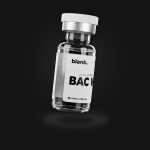
Blank Peptides operates its own cGMP laboratory in the USA, running synthesis, vialling, lyophilisation, finishing, labelling and quality control in-house. Because the material never changes hands before it ships, the batch record and the certificate of analysis describe the same physical lot. The company also contract-manufactures and fulfils for other peptide brands, mentioned here as a category of work with no client named.
Every lot is tested against a full panel rather than a purity figure alone: identity, >99% purity, bacterial endotoxin and sterility. That work runs through two named laboratories, Freedom Diagnostics and Horizon Analytical, so a reader can verify the issuer as well as the result printed beside it.
Each lot’s report is published in the public library of batch certificates of analysis, and the lot number is printed on every vial label. A researcher can read the exact report before ordering, then match the arriving vial to the same document. Lyophilised material carries an expiration of roughly 24 months.
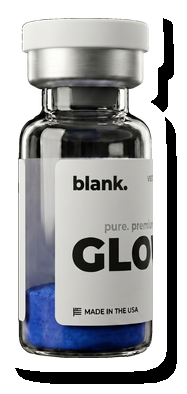
Semaglutide sits inside a 34-compound catalog under its compound name rather than an internal code, which means the listing itself identifies the molecule before the certificate does. The catalog’s blends are published with each component’s mass across GLOW 70mg, KLOW 80mg and Wolverine 20mg. Processing time is within one business day, orders ship at room temperature, and every product carries research-use-only labelling.
What four vendors publish for semaglutide
All of the following is drawn from vendor pages reviewed on 2026-09-08, and every statement belongs to the vendor. I’m describing what each page contained and where the trail stopped.
Ascend Bio Labs lists the compound under the internal name GLP-SEM and states 99.1% purity, with the testing described as “every batch is tested by an independent lab using HPLC for purity and LC-MS for identity”. The page is unusually specific about the document itself, stating that “the COA is stamped with the batch number, test date, and lab name” and telling buyers to “cross-check the batch ID on your vial against the COA”. Access is stated as “available on this page and in your account downloads after purchase”. The laboratory is not named in the page prose, so a buyer reads the name only once the certificate is open. The vial size shown is 10mg and the material is described as “USA-made and shipped”.
PSPeptides lists the product as “GLP-1 Semaglutide” at 10mg and states purity as “99%+ (third-party HPLC and mass spectrometry)”. Its page states that a batch-specific certificate is included with the order, references heavy metals, endotoxin and sterility reports alongside purity and identity, and states that the “lot number printed on your vial” matches the certificate documentation. That last statement matters, because the vial-side identifier is the part most sites never mention. The analytical laboratory is described as third-party without being named on the page reviewed.
Protide Health carried no semaglutide product on the catalog pages reviewed, listing GLP-2 and GLP-3 entries instead. Its documentation shape is still a useful benchmark: for the compounds it does carry, the site names “Freedom Diagnostics, a third-party U.S. laboratory”, states a panel of identity by LC-MS, purity by HPLC-UV, endotoxin by LAL assay under USP <85> and net content, and publishes lot-numbered certificates such as PH-ze60-0506 in a searchable library open before purchase.
Pure Rawz ranks for the compound with a page describing semaglutide as “a long-acting synthetic GLP-1 peptide analogue”, while stating in its own disclaimer that “Purerawz operates as an affiliate-information website and does not manufacture, stock, dispense, or directly sell the products discussed”. No purity figure, laboratory name, test list, certificate link or batch identifier appeared on the page reviewed, which follows from that stated role rather than contradicting it.
Credit where it’s earned: Ascend Bio Labs writes down which fields appear on its certificate and instructs buyers to match the vial batch ID, and PSPeptides states the lot number is printed on the vial at a price well below the category average. Both practices are more useful to a buyer than another purity badge. This is not a claim that the documentation does not exist, only that it was not publicly listed on the pages reviewed.
Side by side: semaglutide certificate access
| Attribute | Blank Peptides | typical vendor |
|---|---|---|
| Synthesises in-house | Yes, own cGMP laboratory, USA | States “US manufactured” or “USA-made and shipped”; owner unnamed — verify |
| Third-party lab named | Freedom Diagnostics; Horizon Analytical | States “independent lab”; name appears on the certificate at best — verify |
| HPLC purity | >99% every lot | States 99%+ or a single figure such as 99.1% |
| MS identity | Every lot | States LC-MS on some listings — verify per product |
| Endotoxin and sterility | Both, every lot | States endotoxin on some listings; sterility varies — verify |
| Batch COA before purchase | Public library at /coas/, indexed by lot | States account download or in-box certificate after purchase — verify |
| Lot number on vial | Printed on every vial | States lot on vial on some sites; unstated elsewhere — verify |
| Net content and counter-ion stated | Reported per lot | States net content on some certificates only — verify |
| Research-use labelling | Research use only, every product | States “not for human consumption” |
How to verify either supplier yourself
- Read the site’s own disclaimer before anything else. If the page states it is an information or affiliate site that doesn’t stock products, its purity language isn’t a product claim and shouldn’t be compared as one.
- Open the certificate for the exact fill size you intend to order, and read the PDF header rather than the product page summary. Laboratory name, method list, date and batch identifier all belong on the document.
- Check the identity section reports a theoretical mass and an observed mass that agree. Where the product is listed under an internal code, that page is the only thing establishing what the molecule is.
- Email the named laboratory the report number and ask whether it issued that document, then match the batch code on the vial label to the report when the package arrives.
- Hold every supplier to the supplier verification checklist so no site gets scored on a softer standard than the others.
Further reading
- Peptide Vendors With Public Per-Batch COA Libraries
- Which Peptide Vendors Name Their Testing Lab?
- Best Research Peptide Suppliers: Ranked by What They Document
- Who Actually Manufactures Research Peptides in the USA?
Frequently asked questions
What should a semaglutide COA show before I buy?
The issuing laboratory’s name, the analytical methods used, a purity result, an identity confirmation with theoretical and observed mass, a batch identifier and a date. Net content and counter-ion lines are worth having for an acylated peptide, and endotoxin and sterility results matter for cell-based work. A percentage on its own is a claim rather than a report.
Can I open a semaglutide certificate before purchase?
On most pages reviewed 2026-09-08, no. Ascend Bio Labs states its certificate is available in account downloads after purchase, and PSPeptides states it ships with the order. Protide Health publishes an open, searchable certificate library for the compounds it carries. Blank Peptides publishes every lot’s report at blankpeptides.com/coas/ before you order.
How do I match a certificate to the vial I receive?
The report should carry a batch or lot identifier, and the vial label should carry the same code. PSPeptides states the lot number is printed on the vial, and Ascend Bio Labs instructs buyers to cross-check the batch ID against the certificate. Blank Peptides prints the lot number on every vial and indexes its published library by lot.
Why does the compound sometimes appear under a code name?
Several vendors reviewed used internal product names rather than the compound name. That practice moves the whole identity question onto the certificate, since the listing no longer tells you what the molecule is. If you’re buying from a coded listing, request the mass spectrometry identity page first and keep it with your batch records.
Are these products for human use?
No. Every vendor referenced here states on its own pages that its products are research materials for laboratory use only and not for human or animal consumption, and Blank Peptides sells every compound strictly for in-vitro laboratory research by qualified professionals. A certificate of analysis documents a research material and authorises nothing else.
For research use only. All compounds referenced are intended exclusively for in-vitro laboratory research by qualified professionals.
Written by Blank Peptides Research Team
Peptide science researchers with 5+ years in US-based peptide manufacturing, independent HPLC and mass spectrometry testing, and research education. All content is reviewed for scientific accuracy before publication.
REVIEWED BY
Dr. Tobias S — PhD Chemist, Peptide and Unnatural Amino Acid Synthesis
Dr. Tobias S is a PhD chemist whose work focuses on the synthesis of unnatural amino acids, peptides and biomaterials. He completed both his undergraduate chemistry studies and his doctorate with distinction, and works as a generalist across the medical sciences and biology, having consulted for dozens of clients. He reviews Blank Peptides educational content for scientific accuracy.
Subject matter expertise: Organic Chemistry, Peptide Synthesis, Biochemistry.