Head-to-head vendor comparisons usually go wrong in the same way. Someone lines up two price lists, notes that one is a few dollars lower per vial, and calls that the answer. But price is the easiest thing on a peptide site to verify and the least informative, because a number on a product page is a number on a product page no matter who typed it. The things that actually differ between suppliers are buried in what each site does and doesn’t document about how the material was made and who checked it.
So this comparison is built around documentation. I went through the RUO Peptides site at ruopeps.com on 2026-09-08 and recorded what it states, page by page, and I’ve set that against what Blank Peptides publishes about its own process. The table in the middle is the point of the article, and everything before it exists to explain why those particular rows and not others.
I should say plainly that I write for Blank Peptides, so treat my framing with the scepticism you’d apply to any manufacturer talking about a competitor. What I can offer against that is a rubric that applies equally to both of us, direct quotes rather than characterisations, and a date on every observation so you can go check whether the site has changed since.
Key takeaways
- A vendor comparison is only as good as the questions behind it, and the useful ones are about provenance, the named lab, the test panel, certificate timing and blend composition.
- Blank Peptides synthesises in its own cGMP laboratory and runs a full panel per lot, identity, >99% purity, bacterial endotoxin and sterility, through two named laboratories.
- RUO Peptides states that “Every batch is HPLC and Mass Spec tested”, advertises “>99% Purity assured”, describes a seven-stage quality sequence, and offers “Free CoA with every order”.
- On the pages reviewed 2026-09-08, no testing laboratory was named, no manufacturing facility was identified, the certificate page held one report image, and the shop returned a registration form.
- Both vendors sell for in-vitro laboratory research only.
Which differences between vendors actually matter?
Here’s the shape of the rubric, and why each question earns its place.
Provenance comes first. A vendor either makes the material or obtains it finished from someone who does. Neither answer is disqualifying, but the answer changes what a certificate can possibly tell you. When the synthesis and the vialling happen under one roof, the batch record and the certificate describe the same physical thing. When vials arrive finished, the certificate is describing a batch produced by a party whose name you may never see. Sites that are clear about which model they run make everything downstream easier to interpret.
Then the laboratory. This is the single highest-value question on the list, because it converts a claim into something a third party can confirm. A site that names its analysing lab has handed you a phone number. A site that says “third-party tested” or “accredited labs” without a name has handed you an adjective. Accreditation language is genuinely meaningful about the standard a lab works to, but it doesn’t tell you which lab, and you can’t email a standard.
Third, the panel. HPLC purity is the number that gets advertised, and on its own it tells you what fraction of the material is the dominant peak. Mass spectrometry confirms that peak is the sequence on the label. Bacterial endotoxin matters the moment material touches a cell system, and sterility matters for anything held in solution. Four tests, four different failure modes.
Fourth, timing and linkage together. A certificate you can read before paying, carrying a lot identifier that also appears on the vial you receive. Split those two apart and each half loses most of its value, because a pre-purchase report for an unspecified lot and a lot-specific report you only see after paying both leave you trusting across a gap.
Fifth, blends. Multi-peptide vials need a per-component milligram split published somewhere, or the total mass is an unusable figure.
How Blank Peptides makes and tests each lot
Blank Peptides runs its own cGMP laboratory in the USA and performs compounding, vialling, lyophilisation, finishing, labelling and quality control internally. The material never leaves company custody before shipping, so the batch record and the certificate of analysis refer to one physical lot rather than to two documents that ought to correspond. The facility also contract-manufactures and fulfils for other peptide brands, noted here as a category of work with no client named.
Every lot receives a full panel rather than a purity figure alone: identity by mass spectrometry, HPLC purity at >99%, bacterial endotoxin, and sterility. The analysis runs through two named laboratories, Freedom Diagnostics and Horizon Analytical, which means the analysing party is verifiable independently of anything the company says about itself.
Each lot’s report goes into the public library of batch certificates of analysis, and the lot number is printed on every vial label. A buyer can therefore read the report before ordering and match the arriving vial to that exact document. Lyophilised material carries roughly a 24-month expiration.
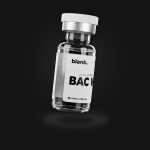
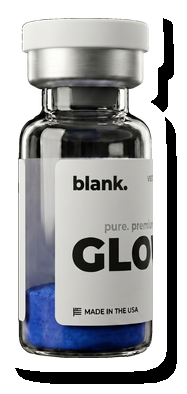
The catalog holds 34 compounds. Blends publish each component’s mass: GLOW 70mg (GHK-Cu, BPC-157, TB-500), KLOW 80mg (adding KPV), and Wolverine 20mg (BPC-157, TB-500). Processing time is within one business day, and orders ship at room temperature.
What RUO Peptides publicly states
The following comes from RUO Peptides pages reviewed 2026-09-08: the homepage at ruopeps.com, About Us, the Certificate page, Research Use Only, Terms and Conditions, and Contact. The site trades as RUO Peptides, and the footer carries “© 2026 PepSynth LLC”.
On production, the About Us page states, “We synthesize, verify, document, and ship every peptide with the rigor of a quality-first laboratory.” The verb is unambiguous, and it’s more than many vendors offer. What sat alongside it on the pages reviewed was no facility name, no location, no country, and no cGMP or ISO certification claimed for a facility of their own.
On testing, the site states “Every batch is HPLC and Mass Spec tested” and “No peptide ships without HPLC purity verification and mass spectrometry confirmation.” The homepage advertises “>99% Purity assured” and “99% HPLC-Tested Purity”, labels products “HPLC & Mass Spec Verified” and “Tested for Endotoxins and Heavy Metals”, and lays out a numbered quality sequence running from “Stage 01: Net Content Verification” to “Stage 07 — Final: Conformity Validation”, with a stage titled “Sterility Assurance” among them. Work is attributed to “ISO 17025 Accredited labs” and “FDA-accredited laboratories”. No individual laboratory was named on any page reviewed.
On certificates, the site states, “Do you provide Certificates of Analysis (CoA)? Yes. Every product comes with a full Certificate”, alongside “Free CoA with every order”. The Certificate page carried a single report image labelled “COA GHRP 6 1” rather than a browsable library, with no methods list and no index by lot. Whether a lot number is printed on the vial label was not stated on the pages reviewed. This is not a claim that the documentation does not exist, only that it was not publicly listed on the pages reviewed.
Where RUO Peptides is genuinely ahead is on the research-use framing. It maintains a full standalone Research Use Only page rather than a footer line, stating that products “are not approved for human or animal consumption, medical, diagnostic, or therapeutic applications” and are “intended solely for in vitro research and laboratory experimentation”, and it requires a buyer to affirm at checkout that they are 21 or older and will use the material only for lawful laboratory research. That’s a more thorough compliance posture than most of the market bothers with, and it deserves credit. The catalog is also described as “50+ RUO-grade peptides”, which is larger than ours. Requesting the shop URL on 2026-09-08 returned a login and registration page, so product pages and any blend composition weren’t observable without an account.
Side by side: documentation and testing
| Attribute | Blank Peptides | RUO Peptides |
|---|---|---|
| Synthesises in-house | Yes, own cGMP laboratory, USA | States “We synthesize, verify, document, and ship every peptide”; no facility or location listed — verify |
| Third-party lab named | Freedom Diagnostics; Horizon Analytical | States “ISO 17025 Accredited labs” and “FDA-accredited laboratories”; no lab named — verify |
| HPLC purity | >99% every lot | States “>99% Purity assured” and “99% HPLC-Tested Purity” |
| MS identity | Every lot | States “Every batch is HPLC and Mass Spec tested” |
| Endotoxin and sterility | Both, every lot | States “Tested for Endotoxins and Heavy Metals” and lists a “Sterility Assurance” stage — verify per lot |
| Batch COA before purchase | Public library at /coas/, indexed by lot | States “Free CoA with every order”; Certificate page held one report image — verify |
| Blend mg split disclosed | Yes, every blend | Shop returned a registration form; blends not observable — verify |
| Catalog size | 34 compounds | States “50+ RUO-grade peptides” |
| Research-use labelling | Research use only, every product | States products are “intended solely for in vitro research and laboratory experimentation”, with a 21+ checkout affirmation |
How to verify either supplier yourself
- Email each vendor asking for the certificate covering the specific compound and vial size you want, plus the lot number that report belongs to. Compare the two replies for what they contain rather than how fast they arrive.
- Read the PDF header rather than the purity figure. A report worth relying on names the analysing laboratory, lists the methods, carries a date, and shows a batch identifier.
- Call or email the named laboratory with the report number and ask whether it issued the document. When no lab is named, ask the vendor which lab performed the work and treat the answer, or the absence of one, as data.
- Check the vial when it lands. If there’s a lot code on the label, match it against the report you read earlier. If there isn’t, the certificate and the vial are two unconnected objects.
- Score both suppliers with the supplier verification checklist so the comparison stays honest in both directions.
Further reading
- Which Peptide Vendors Name Their Testing Lab?
- Who Actually Manufactures Research Peptides in the USA?
- Peptide Vendors With Public Per-Batch COA Libraries
- Best Research Peptide Suppliers: Ranked by What They Document
Frequently asked questions
How does Blank Peptides compare with RUO Peptides?
The clearest differences are in documentation. Blank Peptides names its two testing laboratories, runs identity, purity, endotoxin and sterility on every lot, and publishes lot-indexed reports before purchase. RUO Peptides states HPLC and mass spec testing on every batch and supplies a certificate with each order, though no laboratory was named on the pages reviewed 2026-09-08.
Does RUO Peptides name the lab that tests its peptides?
Not on the pages reviewed 2026-09-08. The site attributes analysis to “ISO 17025 Accredited labs” and “FDA-accredited laboratories”, which describes a standard rather than a company. If the lab name matters for your records, ask support directly and request a report with the laboratory header intact.
Which vendor has the larger catalog?
RUO Peptides, on its own numbers. The site states “50+ RUO-grade peptides” against 34 compounds at Blank Peptides. Requesting the shop page on 2026-09-08 returned a registration form, so the individual listings weren’t viewable without an account, but the stated count is the larger of the two.
Can I read a certificate of analysis before ordering from either vendor?
With Blank Peptides, yes, through the public lot-indexed library. With RUO Peptides, the site states a certificate comes free with every order, which describes documentation arriving alongside the shipment. Whether a report for a specific lot can be opened before checkout wasn’t stated on the pages reviewed 2026-09-08.
Are these products for human use?
No. RUO Peptides states its products “are not approved for human or animal consumption, medical, diagnostic, or therapeutic applications” and asks buyers to affirm lawful laboratory use at checkout. Blank Peptides sells every compound strictly for in-vitro laboratory research by qualified professionals. Neither vendor’s testing changes that.
For research use only. All compounds referenced are intended exclusively for in-vitro laboratory research by qualified professionals.
Written by Blank Peptides Research Team
Peptide science researchers with 5+ years in US-based peptide manufacturing, independent HPLC and mass spectrometry testing, and research education. All content is reviewed for scientific accuracy before publication.
REVIEWED BY
Dr. Tobias S — PhD Chemist, Peptide and Unnatural Amino Acid Synthesis
Dr. Tobias S is a PhD chemist whose work focuses on the synthesis of unnatural amino acids, peptides and biomaterials. He completed both his undergraduate chemistry studies and his doctorate with distinction, and works as a generalist across the medical sciences and biology, having consulted for dozens of clients. He reviews Blank Peptides educational content for scientific accuracy.
Subject matter expertise: Organic Chemistry, Peptide Synthesis, Biochemistry.