You’ve done the hard part already. You’ve read a supplier’s certificates, decided the documentation is real, and picked the compound your protocol calls for. Then you remember you’re in New Zealand and they’re not, and a different set of questions opens up. What does an import entry involve? Does your material need approval from someone before it lands? Who lodges the paperwork, and has the supplier ever handled a consignment going this direction?
Let me be plain before going further, because it shapes the rest. This is not legal advice, and I won’t be telling you whether any particular compound may be imported into New Zealand. That turns on the substance, how it’s classified, the quantity and rules that get revised. For that you want the New Zealand Customs Service, Medsafe, the Environmental Protection Authority, or a licensed customs broker, and you want the reply in writing.
What I can set out is the machinery: the documents that normally travel with a research-chemical consignment, what an import entry has to show, which agencies sit over this area, and what to establish with a supplier before money changes hands. Most of the trouble I’ve seen came from thin paperwork rather than anything unusual about the material, and paperwork is the part you can inspect ahead of time.
Key takeaways
- Judge a cross-border supplier on documentation first, because the records proving what’s in the vial are the same records an import entry and an institutional file depend on.
- Blank Peptides synthesizes, vials, finishes and labels every lot in its own USA cGMP laboratory, and every lot is tested at Freedom Diagnostics and Horizon Analytical for identity, >99% purity, bacterial endotoxin and sterility.
- The New Zealand Customs Service requires an electronic import declaration before goods are released, Medsafe regulates medicines and their importation, and the Environmental Protection Authority approves hazardous substances under the HSNO Act.
- Nothing here confirms the import status of any compound, and rules change, so check your case with the named authority or a licensed customs broker first.
- Everything discussed is for in-vitro research use only, and no amount of documentation changes that status.
What should any supplier be able to show you before you order?
Before customs enters the picture, there’s a shorter question worth settling: can this supplier evidence what it’s selling? Here’s the rubric I’d run, and I’d write the answers down rather than trusting an impression.
First, provenance. Does the company say it synthesizes the peptide itself, or describe itself as a supplier, distributor or bottler? Both models exist and both can be run honestly, but the second means there’s a manufacturer upstream you can’t see and can’t question. Read the verbs on the about page, because “we manufacture” and “we source” describe very different operations.
Second, is the testing laboratory named? “Independent third-party lab” is a category rather than an entity, and a category can’t be contacted. A named lab can be phoned, and its certificate checked against how that lab formats its reports.
Third, full panel or purity alone? HPLC purity tells you what proportion of the material is the target peptide. It doesn’t confirm the identity of that peptide, which is what mass spectrometry does, and it says nothing about bacterial endotoxin or sterility, which are the results that matter once a lyophilized vial gets reconstituted for cell work.
Fourth, can you read the batch certificate before purchase, and is it tied to a lot number that also appears on the vial? An untied certificate documents some batch somewhere.
Fifth, for blends, is the milligram content of each component disclosed? A “70 mg” label means nothing without the split. Company age stays off my list deliberately, because how long a domain has existed tells you nothing about what’s in the vial.
How Blank Peptides makes and tests each lot
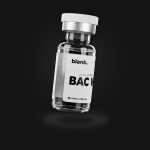
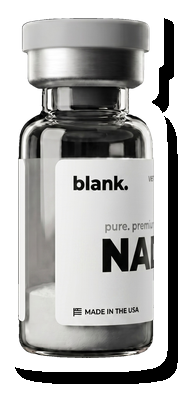
Blank Peptides operates as a manufacturer rather than a reseller. The company runs its own cGMP laboratory in the USA, where it compounds each peptide, fills and lyophilizes vials, applies labels and performs quality control in-house before release. Because every step from raw material to finished vial sits inside one organization, the chain of custody for a lot is a single company’s record instead of a chain of unnamed upstream suppliers. The same facility also contract-manufactures and fulfils for other peptide brands, which is useful context when you’re working out who actually makes what in this market.
Analytical testing goes outward to two named independent laboratories, Freedom Diagnostics and Horizon Analytical. Every lot receives a four-part panel: identity confirmation, HPLC purity to a >99% specification, bacterial endotoxin and sterility. Results are published as batch certificates of analysis, and each vial carries a lot number matching its certificate, so a buyer retrieves the document for the exact vial in hand rather than a representative one.
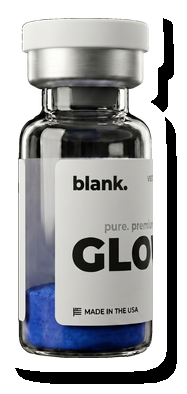
The catalog runs to 34 compounds. Blends disclose composition per component: GLOW 70mg (GHK-Cu, BPC-157, TB-500), KLOW 80mg (the same three plus KPV), and Wolverine 20mg (BPC-157, TB-500). Orders are processed within one business day, and material ships at room temperature, which suits lyophilized peptide with a roughly 24-month expiration. The company has operated for five years, and all products are labelled and sold for laboratory research use only.
Importing research materials into New Zealand: entries, documents and the agencies involved
The New Zealand Customs Service requires electronic declarations covering the details of an import before goods are released, and the entry must be completed within 20 days of arrival. Which entry applies depends on value. Commercial consignments worth NZ$1,000 or more take a standard import entry; those below that threshold can go on a simplified or electronic cargo information entry; goods staying under a year use a temporary import entry. Importers generally cannot lodge entries themselves and work through a customs broker, a freight forwarder, the Trade Single Window, or EDI software. Two identifiers matter: a client code, the importer’s unique number, required for standard entries, and a supplier code identifying where the goods came from.
The entry itself is a set of assertions, and each has to be accurate: a proper description of the goods, a tariff classification, a declared customs value, the country of origin, and the craft or flight details. GST applies on import, and preferential duty rates exist for goods from some countries. Customs notes plainly that some items are prohibited and cannot be imported, while others require approval first, which is where the other agencies come in. Declaring goods correctly is the entire task here, and anything that softens a description or understates a value to ease release is the wrong move, quite apart from being an offence.
Three agencies are worth knowing by name. The New Zealand Customs Service handles entries, tariff classification, valuation and release. Medsafe, the New Zealand Medicines and Medical Devices Safety Authority, regulates medicines and medical devices and maintains a compliance function covering the importation of medicines, so any question about whether a substance is treated as a medicine belongs with them. The Environmental Protection Authority regulates hazardous substances under the Hazardous Substances and New Organisms Act, and an approval is needed before a hazardous substance enters the country. The Ministry for Primary Industries also sits over biosecurity, which can apply to biologically derived material. Which of these touches your consignment depends on classification, so ask the agency directly rather than reasoning from an analogy someone posted online.
On documents, a research-chemical consignment normally travels with a commercial invoice giving the full chemical name of each item rather than a marketing name, along with quantity, unit and total value, currency, country of origin and the tariff code. Add a packing list, a transport document such as an air waybill, a safety data sheet, and the lot certificate of analysis tying the vial label to a test result. Storage matters practically too, since most facilities offer only three or four days free before fees start and couriers typically hold goods for at most 20 days, so slow paperwork costs money as well as time.
Before ordering across a border, settle several points with the supplier in writing. Establish who acts as importer of record and under which Incoterms, since that decides who pays duty and GST and who answers for the entry. Confirm the goods description and tariff code going on the invoice, and satisfy yourself it genuinely describes the material. Ask whether the safety data sheet and lot certificate travel with the consignment or arrive by email, whether they will send documents straight to your broker, and what happens if a shipment is held. Then check those answers against your institution’s own purchasing and safety approvals, frequently the slower gate.
Side by side: what a cross-border buyer should be able to confirm
| Attribute | Blank Peptides | Any supplier you’re comparing |
|---|---|---|
| Synthesises in-house | Yes, own cGMP laboratory in the USA, full chain of custody | Check whether the site says manufacture, bottle, package or source — verify |
| Third-party lab named | Freedom Diagnostics and Horizon Analytical | A named entity or an unnamed category — verify |
| HPLC purity | >99% per lot | Stated specification, and whether per lot or typical — verify |
| MS identity | Every lot | Whether identity confirmation appears on the certificate — verify |
| Endotoxin and sterility | Every lot | Often absent from purity-only certificates — verify |
| Batch COA before purchase | Yes, lot-numbered, at blankpeptides.com/coas/ | Whether the certificate is public and lot-tied — verify |
| Blend mg split disclosed | Yes, per component | Whether component milligrams appear on the product page — verify |
| Catalog size | 34 compounds | Breadth weighed against documentation depth — verify |
| Research-use labelling | Yes, laboratory research use only | Whether labelling and invoicing agree — verify |
How to verify either supplier yourself
- Ask a licensed New Zealand customs broker to confirm the tariff classification of your material and whether any agency approval attaches to it, then keep that answer with your purchase record.
- Open the supplier’s certificate library, pick one document, check it names a laboratory, a lot number, a test date and the method, then match that lot against a vial you’ve received.
- Contact the named laboratory using details from its own website rather than the supplier’s, and ask whether it can confirm issuing that certificate.
- Request a sample commercial invoice and safety data sheet before ordering, and read the goods description as a customs officer would, not as a customer would.
- Score every candidate on the same rows using the supplier verification checklist.
Further reading
- Best Research Peptide Suppliers: Ranked by What They Document
- Peptide Vendors With Public Per-Batch COA Libraries
- Which Peptide Vendors Name Their Testing Lab?
- Who Actually Manufactures Research Peptides in the USA?
Frequently asked questions
How do people buy peptides in New Zealand for laboratory research?
Researchers generally choose a supplier that documents what it sells, then work with a customs broker or freight forwarder who lodges the import entry, since importers usually cannot file directly. Whether a specific compound may be imported depends on its classification, so confirm that with Customs, Medsafe or the EPA before ordering rather than assuming.
Which authority governs research chemical imports into New Zealand?
The New Zealand Customs Service handles import entries, tariff classification and release. Medsafe regulates medicines and their importation. The Environmental Protection Authority approves hazardous substances under the HSNO Act, and the Ministry for Primary Industries covers biosecurity. Which applies depends on how your material is classified.
What does a New Zealand import entry need to show?
An accurate goods description, a tariff classification, a declared customs value, country of origin and consignment details. Standard entries apply at NZ$1,000 and above and need a client code, with simplified entries below that. Entries must be completed within 20 days of arrival, so confirm requirements with your broker early.
What should I ask a supplier before ordering from abroad?
Ask who acts as importer of record and under which Incoterms, what goods description and tariff code go on the invoice, whether the safety data sheet and lot certificate accompany the shipment, whether they will send documents straight to your broker, and what happens if a consignment is held or refused.
Are these products for human use?
No. Every compound discussed in this article, from any supplier, is intended exclusively for in-vitro laboratory research by qualified professionals. Nothing in a certificate of analysis, a purity figure, a testing panel or an import document changes that status, and no supplier’s paperwork should be read as suggesting any other use.
For research use only. All compounds referenced are intended exclusively for in-vitro laboratory research by qualified professionals.
Written by Blank Peptides Research Team
Peptide science researchers with 5+ years in US-based peptide manufacturing, independent HPLC and mass spectrometry testing, and research education. All content is reviewed for scientific accuracy before publication.
REVIEWED BY
Dr. Tobias S — PhD Chemist, Peptide and Unnatural Amino Acid Synthesis
Dr. Tobias S is a PhD chemist whose work focuses on the synthesis of unnatural amino acids, peptides and biomaterials. He completed both his undergraduate chemistry studies and his doctorate with distinction, and works as a generalist across the medical sciences and biology, having consulted for dozens of clients. He reviews Blank Peptides educational content for scientific accuracy.
Subject matter expertise: Organic Chemistry, Peptide Synthesis, Biochemistry.