A certificate of analysis is supposed to end an argument, and most of the ones circulating for research oxytocin barely start one. You get a purity percentage, a logo, sometimes a chromatogram thumbnail too small to read, and no way to connect any of it to the vial that will actually turn up. The document exists, technically. Whether it describes your material is a completely separate question, and it’s the one worth answering before money moves.
Oxytocin rewards a careful read more than most peptides do. It’s a cyclic nonapeptide, nine residues closed into a ring by a disulfide bridge between the cysteines at positions one and six, with an amidated C-terminal glycine. Formula C43H66N12O12S2, molecular weight around 1007.19, CAS 50-56-6. The reduced linear form, where the ring hasn’t closed, weighs two daltons more. A deamidated variant weighs one more. If an identity method can’t separate those, a reported match is compatible with several molecules rather than confirming one.
So here’s how I’d work through one of these documents, and what four named vendors publish about COA access for oxytocin on the pages reviewed on 2026-09-08.
Key takeaways
- A COA is worth something when its lot number matches your vial, a laboratory is named in the header, and identity is reported alongside purity rather than folded into it.
- Blank Peptides carries oxytocin, manufactures in its own cGMP laboratory, and runs a four-part per-lot panel of identity, >99% purity, bacterial endotoxin and sterility through Freedom Diagnostics and Horizon Analytical.
- Protide Health named its laboratory and linked dated batch COAs, Swiss Chems linked an HPLC report without naming the lab, Verified Peptides linked purity and endotoxin documents dated 2025 and 2024, and Limitless Life Nootropics stated testing without a document on the page.
- Disulfide integrity and related-substances profiling, the two things that most directly confirm cyclic oxytocin, were not reported as separate lines on any of the pages reviewed 2026-09-08.
- Everything below concerns documentation for research material used in vitro by qualified professionals, and none of it describes human use.
What makes a certificate of analysis actually verifiable?
Five questions, each with a plain answer that’s either printed or absent.
Provenance first. Does the vendor describe production it performs, or does it describe choosing a supplier? Both are ordinary businesses. Only one of them can go back to a production record when the document doesn’t answer your question.
Second, is the laboratory named. Without a name, the report has no accountable author and the phrase “third-party tested” is doing all the work. With a name, you have a header to match against a known laboratory and somewhere to send a follow-up.
Third, is the panel complete or purity only. Identity, purity, bacterial endotoxin and sterility are four separate findings. HPLC purity reports the fraction of absorbing material eluting as your peak, which is genuinely useful and is a narrower statement than most buyers read it as. It doesn’t confirm the compound, and it doesn’t touch endotoxin load.
Fourth, is the document readable before purchase. That’s the difference between comparing suppliers and hoping about them.
Fifth, for blends, is the milligram split published per component. Oxytocin is usually sold alone, though blend disclosure habits predict single-compound disclosure habits fairly reliably.
Now the compound layer, and this is where an oxytocin COA can distinguish itself. Mass spec identity should confirm the cyclic molecule near 1007.4 protonated, from a method with enough resolution to separate that from the plus-two reduced form and the plus-one deamidated variant. Related-substances profiling by HPLC is standard for this peptide in pharmacopoeial practice, so a related-substances line is a reasonable ask rather than an exotic one. Net peptide content matters, because a synthetic peptide arrives as a salt and the counterion, typically acetate or trifluoroacetate, occupies part of the stated milligram. On a 2mg fill that gap is not trivial. Water content matters for the same reason, since lyophilized material picks up moisture.
How Blank Peptides makes and tests each lot
Blank Peptides operates its own cGMP laboratory instead of contracting production out. The company compounds, vials, finishes and labels its material and runs quality control in the same facility, keeping the chain of custody inside one operation rather than across brokers. It also contract-manufactures and fulfils for other peptide brands, so its documentation is read by parties with a commercial reason to be demanding about it.
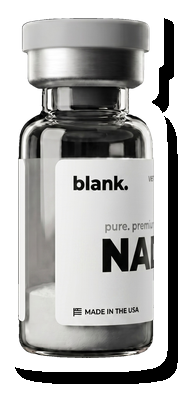
Each lot receives a four-part panel: identity, purity at >99%, bacterial endotoxin and sterility. Two named third-party laboratories perform the analysis, Freedom Diagnostics and Horizon Analytical. Results are published as batch certificates of analysis, organised by compound, with lot numbers corresponding to the number printed on each vial. Lyophilized material carries an approximate 24-month expiration, processing time is stated as within one business day, and shipping is at room temperature.
Oxytocin sits within the 34-compound catalog, which stays narrow by design. Blends publish composition per component instead of one combined figure, with GLOW at 70mg across GHK-Cu, BPC-157 and TB-500, KLOW at 80mg with KPV added, and Wolverine at 20mg across BPC-157 and TB-500. The company has been operating five years and manufactures in the USA. For a cyclic nonapeptide the identity portion of the panel is the load-bearing part, because it establishes that the purity figure is describing the intended ring-closed molecule.
What these vendors publish about oxytocin COA access
Protide Health puts the most on the page and is the most specific about method. The 10mg oxytocin listing in a 3mL vial states “99% Purity (HPLC-MS Verified)” and cites batches at 99.36% and 99.578%. On the page reviewed 2026-09-08 it linked two certificates of analysis, dated May 2026 and January 2026, each behind a “View Certificate of Analysis” link. The page names Freedom Diagnostics as a third-party US laboratory and states testing covers identity by LC-MS, purity by HPLC-UV, endotoxins by LAL assay and net content. That four-item breakdown is more granular than most vendors publish, and it is the kind of statement you can hold a supplier to.
Swiss Chems links a document without attributing it. The oxytocin listing, sold as 2mg and 5mg single vials plus 10-vial kits, states “99% Purity Guaranteed” and links an HPLC lab report dated 2026-05-19, with a stated certificate of analysis available per batch. No laboratory was named on the page reviewed 2026-09-08. The research-use language is unusually direct, stating the material should only be handled by licensed and qualified professionals and must not be misbranded or mislabelled as a drug, food or cosmetic.
Verified Peptides links two documents of different vintages. The 10mg Oxytocin Peptide page reviewed 2026-09-08 states 98.03% purity and links a purity report dated 2025-03-20 for batch 03-25-0210B, alongside an endotoxin test dated December 2024. Testing is described as third party, without a laboratory named in what was reviewed. The listing showed as out of stock at $35.00, which may explain the document dates. Research-use-only language recurs throughout, including an FDA disclaimer stating products are sold for research, laboratory or analytical purposes only.
Limitless Life Nootropics states the practice without displaying the artefact. Oxytocin is listed as white lyophilized powder in 5mg and 10mg vials, in premium lyophilized or non-lyophilized grades, with specifications stating “≥98.5% (HPLC)” while the page title claims 99% pure. The page states the material is third-party tested by certified labs with published certificates of analysis. On the page reviewed 2026-09-08, no COA document, no link to one and no laboratory name appeared, so the stated purity could not be traced to a lot from that page alone.
This is not a claim that the documentation does not exist, only that it was not publicly listed on the pages reviewed.
An advantage worth conceding plainly. Swiss Chems sells 10-vial kits at both 2mg and 5mg, which serves work needing many units from a consistent lot in a way a strictly per-vial catalog does not, and Limitless Life Nootropics offers a lyophilized and a non-lyophilized grade, a format choice that is genuinely rare and genuinely useful when a method calls for one over the other.
Side by side: how an oxytocin COA reads on each side
The right-hand column describes tendencies across the four pages reviewed 2026-09-08 rather than any single seller. Run it as a checklist against whoever you’re considering.
| Attribute | Blank Peptides | Typical vendor |
|---|---|---|
| Synthesises in-house | Own cGMP laboratory, compounding through labelling under one roof | States third-party testing without describing its own production — verify |
| Third-party lab named | Freedom Diagnostics and Horizon Analytical named on the COA page | One of four names a laboratory on the product page reviewed — verify |
| HPLC purity | >99% per lot, method and lot stated on the document | States 98.03% to 99.578%; documents linked on three of four pages reviewed — verify |
| MS identity | Mass spec identity confirmed on every lot | States LC-MS or HPLC-MS identity on two of four pages reviewed — verify |
| Endotoxin and sterility | Bacterial endotoxin and sterility on every lot | Endotoxin documented or stated on two pages; sterility not listed on the pages reviewed — verify |
| Batch COA before purchase | Public library, lot-matched, readable without an account | Three linked a document; one states COAs are published without showing one — verify |
| COA date versus current batch | Library updated per lot as batches are released | One page’s most recent purity document was dated 2025-03-20 — verify which lot ships |
| Net peptide content and counterion | Filled and labelled in-house against the stated lot | One page states net content testing; counterion not listed on the pages reviewed — verify |
| Research-use labelling | Research use only across the catalog | States research use only on all four pages reviewed |
How to verify either supplier yourself
- Match the lot number on the certificate to the number printed on the vial before treating the document as evidence about your material.
- Check the document date against the batch currently shipping. A purity report from early 2025 attached to a 2026 listing is a reasonable thing to ask about, and the answer is usually mundane and worth having anyway.
- Read the identity section on its own terms. Confirmation near 1007.4 for the protonated cyclic molecule is what rules out the reduced linear form two daltons above it, and a method without that resolution has confirmed less than it appears to.
- Ask whether related substances were profiled and what the net peptide content was, along with the counterion. On 2mg and 5mg fills the difference between gross mass and peptide mass changes what you actually received.
- Put the same five questions to every site on your shortlist and record the answers side by side before price enters the discussion. The supplier verification checklist lays out the order.
Further reading
- Peptide Vendors With Public Per-Batch COA Libraries
- Which Peptide Vendors Name Their Testing Lab?
- Best Research Peptide Suppliers: Ranked by What They Document
- Which Peptide Vendors Disclose Blend Composition?
Frequently asked questions
How do I verify an oxytocin COA before buying?
Ask for the lot-specific document before payment, confirm the lot number matches what will ship, check the header names a laboratory, and check the test date against the batch in stock. Then read the identity result separately from purity, looking for mass confirmation of the cyclic molecule rather than a general statement.
What should an oxytocin COA include?
Lot number, test date, a named laboratory, identity by mass spectrometry near 1007.4 for the protonated cyclic peptide, HPLC purity with method stated, related substances, net peptide content, counterion, and water content. Bacterial endotoxin and sterility belong on it where the material is presented as a sterile research preparation.
Why does net peptide content matter for oxytocin?
Because synthetic peptides are isolated as salts, and the counterion, usually acetate or trifluoroacetate, takes up part of the stated milligram. On a 2mg or 5mg fill, the difference between gross mass and actual peptide mass is large enough to affect any quantitative work built on the label figure.
Is an older COA a problem?
Not automatically. A document from an earlier year can be perfectly valid for a lot still in stock, particularly for a listing showing as out of stock. It becomes a problem when nobody can tell you whether it describes the batch you’ll receive, which is why the lot number match matters more than the date alone.
Are these products for human use?
No. Every compound and vendor discussed here supplies research material for in-vitro laboratory work by qualified professionals. Nothing in this article describes dosing, administration, protocols or outcomes in people or animals, and each vendor reviewed carries research-use-only labelling on the pages examined.
For research use only. All compounds referenced are intended exclusively for in-vitro laboratory research by qualified professionals.
Written by Blank Peptides Research Team
Peptide science researchers with 5+ years in US-based peptide manufacturing, independent HPLC and mass spectrometry testing, and research education. All content is reviewed for scientific accuracy before publication.
REVIEWED BY
Dr. Tobias S — PhD Chemist, Peptide and Unnatural Amino Acid Synthesis
Dr. Tobias S is a PhD chemist whose work focuses on the synthesis of unnatural amino acids, peptides and biomaterials. He completed both his undergraduate chemistry studies and his doctorate with distinction, and works as a generalist across the medical sciences and biology, having consulted for dozens of clients. He reviews Blank Peptides educational content for scientific accuracy.
Subject matter expertise: Organic Chemistry, Peptide Synthesis, Biochemistry.