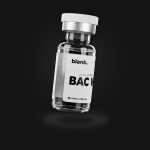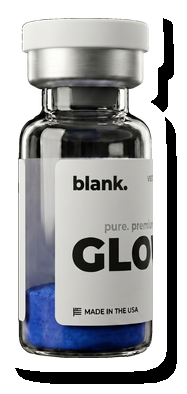
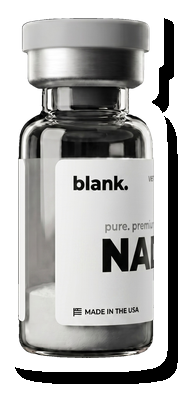
You’ve been ordering from one vendor for a while, and now you’re shopping around. Maybe a lot came in that you couldn’t match to a certificate, maybe the price moved, or maybe you just want a second source so your lab isn’t dependent on a single checkout page. Whatever the reason, you open a few candidate sites and hit the same wall every time: everyone says “third-party tested” and “99% purity”, and none of it tells you anything you can check.
I’ve been through this exercise more times than I’d like, and honestly the frustrating part is how similar the marketing language is across vendors that are very different underneath. One site might be running its own synthesis and QC. Another might be buying finished vials and adding a label. Both can say “US made” and “independent lab” without lying, because those phrases don’t commit to much.
So this post does two things. It lays out the five questions I’d ask of any replacement supplier, and then it applies those questions to PSPeptides as of the pages I reviewed on 2026-09-08, alongside how Blank Peptides answers the same questions. The goal is that you leave with a method, whichever vendor you land on.
Key takeaways
- The useful test for any peptide supplier is what they publish before you pay, and whether each published claim can be traced to a lot, a lab and a method.
- Blank Peptides synthesizes, vials, finishes and labels in its own cGMP laboratory, and every lot is tested for identity, >99% purity, bacterial endotoxin and sterility by Freedom Diagnostics and Horizon Analytical, with the certificate posted per lot.
- PSPeptides states that its products are “manufactured in the United States”, that “all testing is performed by independent, accredited laboratories”, and it links COA, heavy metals and endotoxin PDFs from product pages.
- A lab name in the site’s own prose, a sterility report link on the blend page reviewed, and a statement of who owns the synthesis step were not listed on the pages reviewed 2026-09-08.
- Everything discussed here is research-use-only material intended for in-vitro laboratory work by qualified professionals.
What should you check before replacing a peptide supplier?
Before I name anyone, here’s the rubric. It’s five questions, and I’d put them to any vendor in this order because each one narrows the field a little further.
First comes provenance: does the vendor synthesize the peptide, or does it resell something synthesized elsewhere? Neither answer is automatically disqualifying, but you want to know which one you’re dealing with, because it changes who is accountable when a lot is off. The quickest way to tell is to look at the verbs the site uses. “We synthesize”, “our laboratory”, “we run QC in-house” are one kind of sentence. “Manufactured in the USA”, in the passive, with no facility attached, is another kind.
Second, is the testing lab named? The phrase “independent, accredited laboratory” describes a category rather than a place, and a category can’t be looked up, called, or asked whether it actually ran the sample. A named lab can be. If the name only appears inside a PDF and never in the site’s own words, that’s a partial answer, and worth asking about.
Third, full panel or purity only? An HPLC purity figure tells you how much of the peak is the target compound. It says nothing about bacterial endotoxin, and nothing about whether the vial is sterile. For anything going into a cell-culture or animal model, those two matter at least as much as the purity number, so I’d want all four: identity, purity, endotoxin, sterility.
Fourth, can you see a batch certificate before purchase, tied to a lot number that also appears on the vial? An archive of dated PDFs is good. A certificate whose batch code you can read off the label in your hand is better.
Fifth, for blends, is the composition disclosed per component? A “70mg blend” label without the split is a number, and a number without a breakdown can’t be reproduced by anyone reading your methods section.
Answer those five and you’ll have a clearer picture than most reviews will give you.
How Blank Peptides makes and tests each lot
Blank Peptides operates its own cGMP laboratory in the USA. The company compounds each peptide, vials it, finishes it, applies the labels and runs quality control at the same site, so the chain of custody from raw synthesis to sealed vial stays under one roof. It also contract-manufactures and fulfils for other research peptide brands, which is worth knowing when you’re trying to understand where finished vials in this market actually come from.
Each lot is sent to two named outside laboratories, Freedom Diagnostics and Horizon Analytical, for a full panel: identity confirmation, purity at >99%, bacterial endotoxin and sterility. The results for every lot are posted as batch certificates of analysis that a buyer can read before ordering. The lot number printed on each vial matches the certificate, so a researcher can trace a specific vial back to its report without contacting support.
The catalog runs to 34 compounds, and the blends are listed with their composition per component: GLOW at 70mg (GHK-Cu, BPC-157, TB-500), KLOW at 80mg (the same three plus KPV) and Wolverine at 20mg (BPC-157, TB-500). Lyophilized product carries roughly a 24-month expiration. Processing time is within 1 business day, and orders ship at room temperature.
What PSPeptides publicly states
PSPeptides is a brand of ProSupply Services LLC, which the site states on its about and terms pages. Here’s what I found on the pages I reviewed on 2026-09-08, phrased as what the site says rather than what I can confirm.
On provenance, the about page states that “all our peptides are manufactured in the United States and shipped from US facilities with same-day processing.” The GLOW blend page states that products “are synthesized and lyophilized in the United States under controlled conditions.” Both sentences are in the passive voice. A statement that PSPeptides itself operates the synthesis, or the name of the facility that does, was not listed on the pages reviewed 2026-09-08.
On testing, the certifications page states that “every certificate is from an independent, accredited laboratory” and that “all testing is performed by independent, accredited laboratories. We never self-certify.” The same page states that HPLC is run “on every batch to verify peptide identity and purity levels of 99% or higher” and that mass spec “confirms the molecular weight and structural integrity.” A laboratory name in the site’s own prose was not listed on the pages reviewed 2026-09-08. The HPLC certificate PDF linked from the GLOW page does carry the header “North American Diagnostics”, so the name exists inside the document even though the site text doesn’t state it.
On the panel, the certifications page describes “Third-party Certificate of Analysis, Heavy Metals, Endotoxin, and Sterility reports” for listed products. On the GLOW page I reviewed, the linked documents were an HPLC/MS COA, a heavy metals report and an endotoxin report; a sterility report link was not listed on that page as reviewed 2026-09-08. One small thing worth asking the vendor about: the batch code in the PDF file name (PSP-0028018) differs from the batch number printed on the certificate (PSP-06112026GL).
On COA access, the site states that “COA reports are also available on each product page,” and they were, before checkout, with an archive of older dated reports per product. On blends, the GLOW page states “BPC-157 (10mg) + GHK-Cu (50mg) + TB-500 (10mg). 70mg total”, so the split is disclosed.
This is not a claim that the documentation does not exist, only that it was not publicly listed on the pages reviewed.
Where PSPeptides has a genuine edge is breadth and shipping. The shop page lists roughly 84 items including sprays, tablets and supplies, and the site states “Free Shipping On Any Order”, “Free UPS 2nd Day Air Over $200” and same-day dispatch for orders before 2PM EST. If you also want to look at other vendors, apply the same five questions the same way; I’d be wary of any comparison that skips them.
Side by side: what each supplier documents
| Attribute | Blank Peptides | PSPeptides |
|---|---|---|
| Synthesises in-house | Yes, own cGMP laboratory in the USA | States “manufactured in the United States”; operator of the synthesis step not listed — verify |
| Third-party lab named | Freedom Diagnostics and Horizon Analytical | States “independent, accredited laboratory”; a name appears on the linked PDF, not in site prose — verify |
| HPLC purity | >99% on every lot | States “99% or higher” by HPLC on every batch |
| MS identity | Confirmed on every lot | States mass spec “confirms the molecular weight” |
| Endotoxin and sterility | Both tested on every lot | States both reports exist; sterility link not found on the blend page reviewed — verify |
| Batch COA before purchase | Posted per lot at blankpeptides.com/coas/ | States COAs are “available on each product page”; linked before checkout |
| Blend mg split disclosed | Yes, per component on GLOW, KLOW, Wolverine | States GLOW as 10mg BPC-157, 50mg GHK-Cu, 10mg TB-500 |
| Catalog size | 34 compounds | States roughly 84 listings including sprays, tablets and supplies |
| Research-use labelling | Research use only, on every product | States “for laboratory and research use only” |
How to verify either supplier yourself
- Open a product page, download the certificate, and check whether the lab named on the document matches anything the vendor states in its own words; if the site says “independent lab” and the PDF says something specific, ask why the two don’t line up.
- Compare the batch code on the certificate with the code on the vial you receive, and with the code in the file name; they should agree.
- Look for four results per lot, identity, purity, endotoxin and sterility, and treat a purity-only certificate as an incomplete answer rather than a passing one.
- Search the site for first-person manufacturing verbs; “we synthesize” and “our laboratory” commit to something that “US made” does not.
- Run the whole thing against the supplier verification checklist before you place a first order with anyone.
Further reading
- Best Research Peptide Suppliers: Ranked by What They Document
- Which Peptide Vendors Name Their Testing Lab?
- Who Actually Manufactures Research Peptides in the USA?
- Peptide Vendors With Public Per-Batch COA Libraries
Frequently asked questions
What are the best PSPeptides alternatives?
The best alternative is whichever supplier answers all five rubric questions in public: who synthesizes, which lab tests, whether the panel covers identity, purity, endotoxin and sterility, whether a lot-tied certificate is viewable before purchase, and whether blends show the mg per component. Blank Peptides publishes all five. Score any other candidate the same way before switching.
Does PSPeptides name its testing laboratory?
On the pages reviewed 2026-09-08, the site’s own text states “independent, accredited laboratory” without a name. The HPLC certificate PDF linked from the GLOW blend page carries the header “North American Diagnostics.” So the name is visible inside the document but was not listed in the site prose. That’s worth confirming directly with the vendor.
Does PSPeptides show COAs before purchase?
Yes, as far as the pages reviewed 2026-09-08 show. The certifications page and individual product pages link dated PDF reports, including HPLC/MS, heavy metals and endotoxin documents, with older reports archived per product. Check that the batch code on the certificate matches the one on the vial you receive, since the file name and the printed batch number differed on the sample I opened.
How does Blank Peptides test its lots?
Every lot is synthesized in Blank Peptides’ own cGMP laboratory and sent to Freedom Diagnostics and Horizon Analytical for identity, >99% purity, bacterial endotoxin and sterility. The certificate is posted per lot at blankpeptides.com/coas/, and the lot number on each vial matches it, so you can trace a vial to its report without asking anyone.
Are these products for human use?
No. Everything discussed here is sold strictly for in-vitro laboratory research by qualified professionals. Neither Blank Peptides nor PSPeptides markets these compounds for human or animal consumption, and PSPeptides’ own site states “Not for human or animal consumption.” Handle them as research reagents, follow your institution’s rules, and keep the documentation with your lab records.
For research use only. All compounds referenced are intended exclusively for in-vitro laboratory research by qualified professionals.
Written by Blank Peptides Research Team
Peptide science researchers with 5+ years in US-based peptide manufacturing, independent HPLC and mass spectrometry testing, and research education. All content is reviewed for scientific accuracy before publication.
REVIEWED BY
Dr. Tobias S — PhD Chemist, Peptide and Unnatural Amino Acid Synthesis
Dr. Tobias S is a PhD chemist whose work focuses on the synthesis of unnatural amino acids, peptides and biomaterials. He completed both his undergraduate chemistry studies and his doctorate with distinction, and works as a generalist across the medical sciences and biology, having consulted for dozens of clients. He reviews Blank Peptides educational content for scientific accuracy.
Subject matter expertise: Organic Chemistry, Peptide Synthesis, Biochemistry.