Comparing two peptide sites usually goes the same way. Both say third-party tested, both say high purity, both look professional, and after twenty minutes you still cannot answer the only question that matters, which is whether the documentation attached to the vial you receive will hold up. Pure Rawz states its compounds are third-party tested and COA verified. Cosmic Peptides states every batch goes through independent HPLC and mass spectrometry analysis. Those claims sit at the same altitude.
Neither of these companies is us, and nothing here changes depending on which one you pick, which is why it reads as a scorecard rather than a recommendation. Five questions, put to both sites in the same words, answers quoted from their own pages, and every blank logged as a gap in what has been published rather than as a claim about what happens off-page.
The observations come from purerawz.co and cosmicpeptides.com as they stood on 2026-09-08. The quotes are theirs. Sites get rewritten and certificate pages come and go, so treat the date as part of the finding rather than a formality.
Key takeaways
- What separates two suppliers is who synthesized the lot, which laboratory tested it, how wide the panel ran, whether a certificate is readable before payment and tied to a lot number, and whether blends disclose per-component amounts.
- Pure Rawz publicly states on its about page that “Purerawz does not sell products directly” and that “we do not manufacture, stock, package, ship, or fulfill orders for the products discussed on this website”, describing itself as “an informational and affiliate website”.
- Cosmic Peptides publicly states that “every batch undergoes rigorous, independent third-party analysis using advanced High-Performance Liquid Chromatography (HPLC) and Mass Spectrometry (MS)”, with a dated, lot-specific certificate posted on each product page.
- Neither site named a testing laboratory, and neither named the facility where synthesis happens, on the pages reviewed 2026-09-08.
- Everything referenced here is sold for in-vitro laboratory research only, and none of it is guidance on use in people or animals.
What should decide between two vendors making the same promises?
The measuring stick goes down before either name, otherwise this becomes a review of homepage copywriting.
Provenance leads. Does the company make the material, buy it finished and put a label on it, or neither? Verbs give you the answer where adjectives never will. “We synthesize” and “our quality release” point one way, “we supply” and “our partner sites” point another. Several arrangements exist and more than one can carry good material. What changes is who can account for the lot when a result looks wrong.
Second, is the laboratory named? Any site can print “third-party tested”. A name makes the claim checkable, since you can confirm the lab exists, read its accreditation scope, see whether peptide analysis sits inside that scope, and send your own sample if a number surprises you.
Third, how wide is the panel? HPLC purity is the figure everyone quotes, and it is a genuine measurement, though it only reports what fraction of the sample is a single species. Mass spectrometry confirms that species is your sequence. Bacterial endotoxin and sterility are separate assays again, so identity, purity, endotoxin and sterility together make a full panel while purity alone is a quarter of one.
Fourth, access. Can you read a batch certificate before paying, and does its lot number match the lot printed on the vial that arrives? Certificates that never meet the glass they describe are decoration.
Fifth, blend disclosure. A blend priced by total milligrams with no per-component split cannot be written into a methods section, so a supplier who takes research users seriously prints the split. Company age stays out of the rubric on purpose, since it says nothing about the vial on your bench.
Where this standard comes from
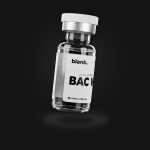
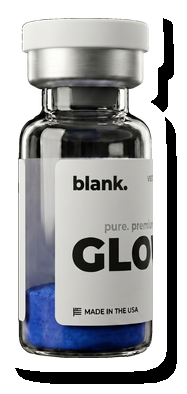
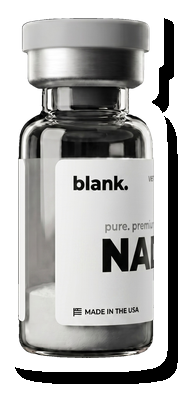
These five questions are the standard Blank Peptides publishes its own lots against, as batch certificates of analysis posted per lot. Saying where a rubric came from before applying it to two other companies is the fair thing to do, because a measurement is worth something only if the party holding the ruler would accept being measured by it.
What Pure Rawz and Cosmic Peptides publicly state
Pure Rawz operates at purerawz.co. On the pages reviewed 2026-09-08, its about page is unusually direct about the company’s role, stating “Purerawz does not sell products directly” and “we do not manufacture, stock, package, ship, or fulfill orders for the products discussed on this website”. The same page states “when you see a product featured on Purerawz, any purchase must be completed through the third-party website linked from our content”, that the company “may participate in affiliate marketing programs” and “may receive a commission at no additional cost to you”, and sums the model up as “Purerawz is an informational and affiliate website. We do not sell or directly supply the products featured on this website.”
On testing, the homepage states compounds are “third-party tested, COA verified” and that “third-party testing is performed by an outside lab. Since it’s not done by manufacturers, the research results are more trustworthy”, with product titles in the shop carrying “3rd Party Tested” and “COA Verified Research Peptide”. On the pages reviewed 2026-09-08 I could not find a laboratory named, a working catalog-wide certificate index, a lot-tied certificate on a product page, or a statement listing HPLC, mass spectrometry, endotoxin or sterility as the assays performed. The BPC-157 page carries no testing language and states that “BPC-157 products are not sold by Purerawz”, presenting buy buttons for several other vendors with coupon codes. The BPC-157 + TB-500 “Wolverine Blend” page states that vendors “commonly package the blend at approximately 5 mg BPC-157 + 5 mg TB-500”, which describes what other sellers tend to do rather than a stated split for a specific vial. One tension is worth reporting plainly: the shipping policy page refers to “our warehouse”, while the about page states the company does not ship or fulfil orders.
Cosmic Peptides sells at cosmicpeptides.com. On the pages reviewed 2026-09-08, the homepage states products are made with “advanced solid-phase peptide synthetic technology” and that “every batch undergoes rigorous, independent third-party analysis using advanced High-Performance Liquid Chromatography (HPLC) and Mass Spectrometry (MS)”, with purity “guaranteed to exceed 99% purity” and a “complete Certificate of Analysis with all analytical data posted directly on each product page”. Its About page states “each vial carries a unique lot number printed directly on the label. That number links to its corresponding purity percentage, documented quantity (mg), and a current, dated COA”, adds that “outdated or recycled COAs are never acceptable”, and states “purity, sterility, and solvent testing are standard, not optional”. Shipping is stated as same day before 2PM CST.
What Cosmic Peptides leaves unstated is who runs the analysis and who runs the synthesis. The site refers to “independent US labs” without naming one anywhere I could find, and it does not state that it owns or operates a production facility. Bacterial endotoxin did not appear in the stated panel, and blends on the catalog page appear as “BPC-157/TB-500” and “GLOW (BPC-157, TB-500, GHK-Cu)” with no per-component milligram splits at index level. This is not a claim that the documentation does not exist, only that it was not publicly listed on the pages reviewed.
Each side has a real advantage. Pure Rawz is upfront about its business model in a way most affiliate sites are not, publishing a plain statement of what it does and does not do, and its shop page states 521 products across peptides, SARMs, nootropics and stacks with several sellers and discount codes shown side by side, which is genuinely useful for price discovery across a wide menu. Cosmic Peptides has the tighter document-hygiene story, stating a printed lot number on every label that resolves to a dated, lot-specific certificate on the product page, and putting the rejection of recycled COAs in writing.
Side by side: what each site publishes
| Attribute | Pure Rawz | Cosmic Peptides |
|---|---|---|
| Synthesises in-house | States it does not “manufacture, stock, package, ship, or fulfill orders” for the products on the site — verify | References “advanced solid-phase peptide synthetic technology”; no facility or ownership stated — verify |
| Third-party lab named | States testing “is performed by an outside lab”; no laboratory named on the pages reviewed 2026-09-08 — verify | States “independent US labs test everything”; no laboratory named — verify |
| HPLC purity | States “third-party tested, COA verified”; no purity figure or method stated on the pages reviewed — verify | States purity “guaranteed to exceed 99%” by independent HPLC analysis — verify |
| MS identity | Not listed on the pages reviewed 2026-09-08 — verify | States mass spectrometry identity verification on every batch — verify |
| Endotoxin and sterility | Not listed on the pages reviewed 2026-09-08 — verify | States sterility and solvent testing as standard; endotoxin not listed — verify |
| Batch COA before purchase | States products are “COA verified”; no working catalog-wide index or lot-tied product-page certificate found on the pages reviewed — verify | States a dated, lot-specific COA posted on each product page, tied to the lot printed on the label — verify |
| Blend mg split disclosed | States vendors “commonly package the blend at approximately 5 mg BPC-157 + 5 mg TB-500”; no per-vial split for a listed product — verify | States blends as “BPC-157/TB-500” and “GLOW (BPC-157, TB-500, GHK-Cu)” without amounts at index level — verify |
| Catalog size | States 521 products across peptides, SARMs, nootropics and stacks — verify | 33 items listed on the catalog page reviewed 2026-09-08, including two blends — verify |
| Research-use labelling | States on the BPC-157 page that the compound is “not an FDA-approved treatment for human use” — verify | States “For Research Use Only – Not for Human or Veterinary Use” — verify |
The two sites are answering different questions. Pure Rawz publishes a clear account of its own role and a wide menu of other people’s products, so the documentation rows have to be chased at whichever vendor ships your order. Cosmic Peptides publishes a panel and a lot-to-certificate link on its own product pages while leaving the laboratory unnamed.
How to verify either supplier yourself
- Establish who will actually ship your order before anything else. Where a site states it does not stock or fulfil, the documentation questions belong to the seller you get handed to, not to the site that referred you.
- Work from the page for the exact compound and vial size rather than the homepage, and look for a certificate attached to that item. Note the lot number before ordering, then check it against the vial when it arrives.
- Read the method lines on the certificate rather than the headline percentage. Look for HPLC purity, mass spectrometry identity, and separate endotoxin and sterility results, and ask whether any missing assay ran on your lot.
- Where no laboratory is named anywhere on a site, ask support for the name in writing before ordering, since a supplier confident in its testing rarely has reason to withhold it.
- Run both companies through the supplier verification checklist so each one is graded on identical questions.
Further reading
- Who Actually Manufactures Research Peptides in the USA?
- Peptide Vendors With Public Per-Batch COA Libraries
- Which Peptide Vendors Name Their Testing Lab?
- Best Research Peptide Suppliers: Ranked by What They Document
Frequently asked questions
How do Pure Rawz vs Cosmic Peptides compare on documentation?
Cosmic Peptides publishes more on its own pages, stating HPLC purity above 99%, mass spectrometry identity, sterility and solvent testing, and a dated lot-specific certificate per product. Pure Rawz states its compounds are third-party tested and COA verified, while also stating it does not sell, manufacture or fulfil, so its documentation trail leads to the third-party sellers it links to.
Does either company name its testing laboratory?
Neither did on the pages reviewed 2026-09-08. Pure Rawz states testing “is performed by an outside lab” without naming it, and Cosmic Peptides refers to “independent US labs” without naming any of them. In both cases the laboratory name has to be requested from support rather than read off the site.
Which one shows a certificate tied to a lot number?
Cosmic Peptides states that each vial’s printed lot number links to a current, dated COA specific to that lot, and states that recycled certificates are never acceptable. On the Pure Rawz pages reviewed 2026-09-08 I could not find a working catalog-wide certificate index or a lot-tied certificate on a product page, though the site does state that products are COA verified.
Does Pure Rawz sell the products it lists?
Its about page states it does not, saying “Purerawz does not sell products directly” and “we do not manufacture, stock, package, ship, or fulfill orders for the products discussed on this website”, and describing itself as an informational and affiliate website. Its shipping policy page describes couriers and a warehouse, so that tension is worth resolving with support before ordering.
Are these products for human use?
No. Everything discussed here is sold for in-vitro laboratory research by qualified professionals. Cosmic Peptides states “For Research Use Only – Not for Human or Veterinary Use”, and Pure Rawz states on its BPC-157 page that the compound is not an FDA-approved treatment for human use. This article compares published documentation and contains no guidance on dosing or administration in any person or animal.
For research use only. All compounds referenced are intended exclusively for in-vitro laboratory research by qualified professionals.
Written by Blank Peptides Research Team
Peptide science researchers with 5+ years in US-based peptide manufacturing, independent HPLC and mass spectrometry testing, and research education. All content is reviewed for scientific accuracy before publication.
REVIEWED BY
Dr. Tobias S — PhD Chemist, Peptide and Unnatural Amino Acid Synthesis
Dr. Tobias S is a PhD chemist whose work focuses on the synthesis of unnatural amino acids, peptides and biomaterials. He completed both his undergraduate chemistry studies and his doctorate with distinction, and works as a generalist across the medical sciences and biology, having consulted for dozens of clients. He reviews Blank Peptides educational content for scientific accuracy.
Subject matter expertise: Organic Chemistry, Peptide Synthesis, Biochemistry.