The question sounds like it should take thirty seconds to answer. You’re on a product page, the site says certificates of analysis are included, and you want to know whether there’s a report for the actual vial that would arrive at your bench and whether you can read it before handing over a card number. On most vendor sites that turns into a small archaeology project. There’s a quality page, there’s a certificate page, there’s an FAQ line, and somewhere among them the connection between the document and the lot goes quiet.
I ran that exact search on the RUO Peptides site at ruopeps.com on 2026-09-08 and I’ll take you through what’s there in the order I found it. I’ll also mark clearly where the trail stops, because the value of a certificate depends entirely on whether it can be tied to the vial in your hand. A report that describes some batch of the compound is a different object from a report that describes yours.
Before the specifics, I’ll set out what a genuine per-batch certificate looks like, then describe how Blank Peptides publishes its own so you have a reference to measure against. I write for Blank Peptides, so use the reference as a yardstick rather than a recommendation.
Key takeaways
- A per-batch certificate earns its name when it names the lab, lists the methods, carries a lot identifier matching the vial, and can be opened before purchase.
- Blank Peptides tests every lot for identity, >99% purity, bacterial endotoxin and sterility through Freedom Diagnostics and Horizon Analytical, publishes each report at blankpeptides.com/coas/, and prints the lot number on every vial.
- RUO Peptides states “Do you provide Certificates of Analysis (CoA)? Yes. Every product comes with a full Certificate”, advertises “Free CoA with every order”, and attributes analysis to “ISO 17025 Accredited labs”.
- On the pages reviewed 2026-09-08, the Certificate page held a single report image rather than a lot-indexed library, no laboratory was named, and no statement placed a lot number on the vial label.
- All material referenced is sold for in-vitro laboratory research only.
What makes a certificate genuinely per-batch?
Let me define the standard before applying it, because “we provide COAs” spans everything from one image on a page to a properly indexed library.
Provenance sets the ceiling. A certificate describes a sample, and that sample came from a production run somewhere. If the vendor synthesises the material, the report and the batch record live in the same building and describe the same event. If finished vials arrive from elsewhere, the report might describe the supplier’s batch, or a retest the vendor commissioned on a sample, or something between the two. Knowing which changes how much the document can carry.
Then the laboratory. A report with an intact header naming the analysing lab is a document you can verify by contacting a third party. A report cropped to a purity figure, or a site that says “accredited labs” without naming one, gives you a claim rather than a check. Accreditation language does real work in describing the standard a lab operates to, and it identifies nobody.
Then the panel written on the report itself. HPLC purity is the headline number and covers one question. Mass spectrometry confirms the sequence. Bacterial endotoxin and sterility cover whether the material is fit to put near a cell system. What matters is which of these appear on the actual PDF rather than which appear as icons on the homepage.
Now the part most sites skip. Can you open the report before purchase, and does the report carry a lot or batch identifier that also appears on the vial label? Both conditions together, or the chain has a break in it. Without the vial-side identifier, “per batch” is a description you cannot confirm after delivery. Without pre-purchase access, you’re buying on trust and auditing afterwards.
And for blends, does the certificate or the product page state the milligrams of each component? One purity figure for a three-peptide vial without the split is a number you can’t do anything with.
Five points. They apply to us as squarely as to anyone.
How Blank Peptides makes and tests each lot
Blank Peptides runs its own cGMP laboratory in the USA and performs compounding, vialling, lyophilisation, finishing, labelling and quality control internally. Because the material never leaves company custody before shipping, the batch record and the certificate of analysis describe one physical lot rather than two documents expected to correspond. The facility also contract-manufactures and fulfils for other peptide brands, mentioned as a category of work with no client identified.
Every lot is tested against a full panel: identity by mass spectrometry, HPLC purity at >99%, bacterial endotoxin, and sterility. The work runs through two named laboratories, Freedom Diagnostics and Horizon Analytical, so a researcher can verify the analysing party alongside the result.
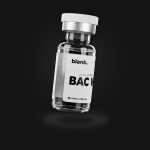
Each lot’s report is posted publicly in the library of batch certificates of analysis, and the lot number is printed on every vial label. That closes the chain the rubric asks about, since a buyer reads the report before ordering and then matches the vial that arrives to that same document. Lyophilised material carries roughly a 24-month expiration.
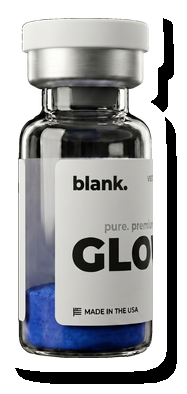
The catalog holds 34 compounds. Blends publish each component’s mass: GLOW 70mg (GHK-Cu, BPC-157, TB-500), KLOW 80mg (adding KPV), and Wolverine 20mg (BPC-157, TB-500). Processing time is within one business day, and orders ship at room temperature.
What RUO Peptides publicly states
This section covers certificate access specifically, drawn from RUO Peptides pages reviewed 2026-09-08: the homepage at ruopeps.com, the dedicated Certificate page, About Us, Terms and Conditions, and Research Use Only. The site trades as RUO Peptides with a footer reading “© 2026 PepSynth LLC”.
Start with where the certificates are said to live. The homepage FAQ states, “Do you provide Certificates of Analysis (CoA)? Yes. Every product comes with a full Certificate”, and a promotional line reads “Free CoA with every order”. Elsewhere the homepage states “Certificate of Analysis Included”. Read together, those describe a certificate accompanying the shipment. What was not stated on any page reviewed was whether a report for a specific lot can be opened before checkout.
The site maintains a dedicated Certificate page linked from the main menu, which is more than many vendors bother with. On 2026-09-08 that page carried a single report image labelled “COA GHRP 6 1”. No laboratory header was described on the page, no list of methods appeared, and the page was not organised as a browsable index by lot, batch or product. Page metadata showed a modification date of 2026-06-22.
On which laboratory does the work, the homepage attributes analysis to “ISO 17025 Accredited labs” and “FDA-accredited laboratories”. No individual laboratory was named on any page reviewed, so the certificate’s issuing party is not identifiable from the site alone.
On which tests appear, the About Us page states “Every batch is HPLC and Mass Spec tested” and “No peptide ships without HPLC purity verification and mass spectrometry confirmation.” The homepage advertises “>99% Purity assured” and “99% HPLC-Tested Purity”, describes products as “HPLC & Mass Spec Verified” and “Tested for Endotoxins and Heavy Metals”, and includes a stage called “Sterility Assurance” in a sequence running from “Stage 01: Net Content Verification” to “Stage 07 — Final: Conformity Validation”. Whether every one of those appears on the certificate that ships with an order was not stated on the pages reviewed.
On lot linkage, nothing on the pages reviewed stated that a lot or batch number is printed on the vial label, and the single certificate shown was not tied to a visible lot identifier. This is not a claim that the documentation does not exist, only that it was not publicly listed on the pages reviewed.
The real credit here goes to the batch language on the About Us page. “Every batch is HPLC and Mass Spec tested” commits to per-batch analysis rather than to a representative sample or a one-off historical report, which is a stronger commitment than a lot of the market puts in writing, and it’s the sentence I’d hold them to when you ask support for your lot’s report.
Side by side: certificate access and scope
| Attribute | Blank Peptides | RUO Peptides |
|---|---|---|
| Synthesises in-house | Yes, own cGMP laboratory, USA | States “We synthesize, verify, document, and ship every peptide”; no facility listed — verify |
| Third-party lab named | Freedom Diagnostics; Horizon Analytical | States “ISO 17025 Accredited labs” and “FDA-accredited laboratories”; no lab named — verify |
| HPLC purity | >99% every lot | States “>99% Purity assured” and “99% HPLC-Tested Purity” |
| MS identity | Every lot | States “Every batch is HPLC and Mass Spec tested” |
| Endotoxin and sterility | Both, every lot | States endotoxin and heavy metals testing plus a “Sterility Assurance” stage — verify per lot |
| Batch COA before purchase | Public library at /coas/, indexed by lot | States “Free CoA with every order”; pre-purchase access not stated — verify |
| Blend mg split disclosed | Yes, every blend | Shop returned a registration form; blends not observable — verify |
| Catalog size | 34 compounds | States “50+ RUO-grade peptides” |
| Research-use labelling | Research use only, every product | States products are “intended solely for in vitro research and laboratory experimentation” |
How to verify either supplier yourself
- Before ordering, ask support which lot is currently shipping for the compound and vial size you want, then ask for that lot’s certificate. Both halves of that request matter, and a vendor that answers only one has told you something.
- Read the PDF header rather than the number in the middle. A certificate worth relying on names the analysing laboratory, lists the methods run, carries a date, and shows a batch identifier.
- Where no lab is named on the site, ask which one performed the analysis, then contact that lab with the report number to ask whether it issued the document. One email, and the strongest check available to a buyer.
- Check the vial on arrival for a lot or batch code and match it to the report you were sent. If there’s no code on the label, the per-batch claim can’t be closed from your end.
- Run the whole process through the supplier verification checklist so every vendor faces the same questions in the same order.
Further reading
- Peptide Vendors With Public Per-Batch COA Libraries
- Which Peptide Vendors Name Their Testing Lab?
- Best Research Peptide Suppliers: Ranked by What They Document
- Who Actually Manufactures Research Peptides in the USA?
Frequently asked questions
Does RUO Peptides publish per-batch COAs?
The site states “Every batch is HPLC and Mass Spec tested” and that “Every product comes with a full Certificate”, which describes per-batch testing and a certificate travelling with the order. On the pages reviewed 2026-09-08 the Certificate page held one report image rather than a lot-indexed library, so ask support for your specific lot’s report before ordering.
Can I see a RUO Peptides COA before I buy?
Not from the pages reviewed 2026-09-08. The certificate language describes documentation included with an order, and the Certificate page carried a single report image without a lot index or search. Requesting the current lot’s report by email before checkout is the practical route if pre-purchase review matters to you.
Which tests appear on RUO Peptides certificates?
The site lists HPLC purity and mass spectrometry on every batch, plus endotoxin and heavy metals testing and a “Sterility Assurance” stage in its quality sequence. Which of those print on the certificate that ships with an order wasn’t stated on the pages reviewed 2026-09-08, so ask for a sample report and check the methods list yourself.
How do I match a COA to the vial I receive?
The report needs a batch identifier and the vial label needs the same code. RUO Peptides didn’t state on the pages reviewed 2026-09-08 whether a lot number appears on the vial, so check the label on arrival. Blank Peptides prints the lot number on every vial and indexes its public library by lot.
Are these products for human use?
No. RUO Peptides states its products “are not approved for human or animal consumption, medical, diagnostic, or therapeutic applications” and are “intended solely for in vitro research and laboratory experimentation”. Blank Peptides sells every compound strictly for in-vitro laboratory research by qualified professionals. A certificate documents a research material and clears it for nothing else.
For research use only. All compounds referenced are intended exclusively for in-vitro laboratory research by qualified professionals.
Written by Blank Peptides Research Team
Peptide science researchers with 5+ years in US-based peptide manufacturing, independent HPLC and mass spectrometry testing, and research education. All content is reviewed for scientific accuracy before publication.
REVIEWED BY
Dr. Tobias S — PhD Chemist, Peptide and Unnatural Amino Acid Synthesis
Dr. Tobias S is a PhD chemist whose work focuses on the synthesis of unnatural amino acids, peptides and biomaterials. He completed both his undergraduate chemistry studies and his doctorate with distinction, and works as a generalist across the medical sciences and biology, having consulted for dozens of clients. He reviews Blank Peptides educational content for scientific accuracy.
Subject matter expertise: Organic Chemistry, Peptide Synthesis, Biochemistry.