You’ve got a vendor that mostly works, and you’re looking for sites like it, either as a backup or because something about the last order made you want a second source. The trouble starts the moment you open the candidates side by side. They share a template, a tone and a vocabulary: “US made”, “third-party tested”, “99%+ purity”, a certifications page with a grid of PDFs. After the third tab you genuinely can’t remember which one said what, and none of them have said anything you could check.
I’ve been in that spot, and what finally helped was to stop reading the sites as marketing and start reading them as documentation. A vendor’s site is a set of claims, and each claim either has a subject, a name and a batch code attached, or it doesn’t. Once you look at it that way the sites stop looking alike very quickly.
So here’s the plan. I’ll lay out five questions to put to any site that resembles PSPeptides, then apply them to PSPeptides itself using the pages I reviewed on 2026-09-08, and show you how Blank Peptides answers the same five, so you have a fully answered example to compare against. The point is that you leave with a method you can run on the next tab you open.
Key takeaways
- Sites that look alike separate fast once you ask who synthesizes, which lab is named, whether the panel covers identity, purity, endotoxin and sterility, whether a lot-tied COA is public before purchase, and whether blends show mg per component.
- Blank Peptides compounds, vials and labels in its own cGMP laboratory and tests every lot for identity, >99% purity, bacterial endotoxin and sterility through Freedom Diagnostics and Horizon Analytical, with a certificate posted per lot.
- PSPeptides states its peptides are “manufactured in the United States”, that “all testing is performed by independent, accredited laboratories”, and links HPLC/MS, heavy metals and endotoxin PDFs on product pages before checkout.
- A lab name in PSPeptides’ own site text, a sterility PDF on the blend page reviewed, and a first-person statement of who performs the synthesis were not listed on the pages reviewed 2026-09-08.
- Everything discussed is sold for in-vitro laboratory research by qualified professionals and nothing here is guidance for any other use.
What should you check before switching to a similar site?
Here are the five questions, in the order I’d ask them, and why each one matters more than the look of the site.
The first is provenance. Does the vendor synthesize the peptide, or does it sell product synthesized by someone else? The answer decides who’s accountable when a lot is off, and the site’s grammar usually tells you. “We synthesize in our own laboratory” has a subject you can hold to account. “Manufactured in the USA” is a location with the subject removed. Two sites can both use the second phrase and be doing completely different things.
The second is whether the testing lab is named. “Independent, accredited laboratory” is a description you can’t search for. A named lab you can search, contact and ask whether the certificate is theirs. If the name only appears inside a PDF and never in the vendor’s own words, count that as half an answer and follow up.
The third is the panel. HPLC purity is a proportion, and it tells you nothing about bacterial endotoxin or sterility, which are the results that matter once a vial is near a cell line or an animal model. The full panel is identity, purity, endotoxin and sterility, and you want it on every lot rather than on a representative batch.
The fourth is whether a batch certificate is visible before you pay, with a lot number that also appears on the vial. A dated archive is a good sign. A lot number you can read off the label and find in that archive is the actual proof.
The fifth is blend composition. If a site sells a 70mg blend, it should state the mg for each component, or nobody can reproduce the work.
Run those five and the lookalikes stop looking alike.
How Blank Peptides makes and tests each lot
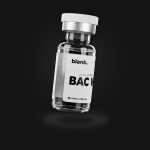
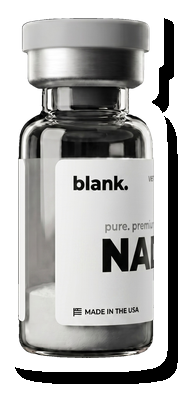
Blank Peptides operates its own cGMP laboratory in the USA and controls the chain of custody from synthesis to sealed vial. Each peptide is compounded, vialed, finished and labelled at the same facility, with quality control run in-house before any lot is released. The company is a manufacturer rather than a relabeler or broker, and it also contract-manufactures and fulfils for other research peptide brands, which is worth knowing when you’re trying to work out where similar-looking sites get their vials.
Every lot goes to two named third-party laboratories, Freedom Diagnostics and Horizon Analytical, for a full panel: identity, purity at >99%, bacterial endotoxin and sterility. The results are published as batch certificates of analysis, one per lot, and the lot number printed on each vial matches its certificate, so a researcher can trace any vial to its report without a support ticket.
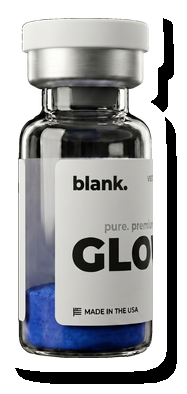
The catalog covers 34 compounds. Blends list their composition per component: GLOW at 70mg (GHK-Cu, BPC-157, TB-500), KLOW at 80mg (adds KPV) and Wolverine at 20mg (BPC-157, TB-500). Lyophilized product carries an expiration of roughly 24 months. Processing time is within 1 business day, and orders ship at room temperature.
What PSPeptides publicly states
Here’s how PSPeptides scores on the five questions, using the homepage, about page, certifications page, terms page and GLOW blend product page as they read on 2026-09-08. Each item is what the site states, in its own words where possible.
The about page states “PSPeptides is a brand of ProSupply Services LLC.” On provenance, it states: “All our peptides are manufactured in the United States and shipped from US facilities with same-day processing.” The GLOW page states products “are synthesized and lyophilized in the United States under controlled conditions.” Both sentences are passive. A first-person statement that PSPeptides operates the synthesis, or a facility name, was not listed on the pages reviewed 2026-09-08.
On the lab, the certifications page states: “All testing is performed by independent, accredited laboratories. We never self-certify.” A laboratory name in the site’s own prose was not listed on the pages reviewed 2026-09-08. The HPLC certificate PDF linked from the GLOW page carries the header “North American Diagnostics”, so the name is inside the document even though the site copy doesn’t state it.
On the panel, the certifications page states HPLC is run “on every batch to verify peptide identity and purity levels of 99% or higher”, that mass spec “confirms the molecular weight and structural integrity”, and describes “Third-party Certificate of Analysis, Heavy Metals, Endotoxin, and Sterility reports” per product. On the GLOW page the linked documents were an HPLC/MS COA, a heavy metals report and an endotoxin report; a sterility report link was not listed on that page as reviewed 2026-09-08. The batch code in the file name (PSP-0028018) differs from the one printed inside the certificate (PSP-06112026GL), which I’d ask about.
On COA access, the site states “COA reports are also available on each product page”, and they were, before checkout, with older dated reports archived per product. On blends, the GLOW page states “BPC-157 (10mg) + GHK-Cu (50mg) + TB-500 (10mg). 70mg total”, so the split is disclosed.
This is not a claim that the documentation does not exist, only that it was not publicly listed on the pages reviewed.
Where PSPeptides has a genuine advantage over most similar sites is range and shipping. The shop page lists roughly 84 items across vials, nasal sprays, oral tablets and lab supplies, and the site states “Free Shipping On Any Order”, “Free UPS 2nd Day Air Over $200” and same-day dispatch before 2PM EST, with shipping to the US, Canada, EU, UK and Australia. If you’re comparing other sites in this category, I’d run each of them through the same five questions rather than trusting the resemblance; two vendors that share a layout can differ on every single row of the table below.
Side by side: what separates lookalike sites
| Attribute | Blank Peptides | PSPeptides |
|---|---|---|
| Synthesises in-house | Yes, own cGMP laboratory in the USA | States “manufactured in the United States”; who operates the synthesis not listed — verify |
| Third-party lab named | Freedom Diagnostics and Horizon Analytical | States “independent, accredited laboratories”; name on linked PDF only — verify |
| HPLC purity | >99% on every lot | States “99% or higher” on every batch |
| MS identity | Confirmed on every lot | States mass spec “confirms the molecular weight” |
| Endotoxin and sterility | Both tested on every lot | States both reports exist; sterility PDF not linked on blend page reviewed — verify |
| Batch COA before purchase | Posted per lot, lot number on the vial | States COAs are “available on each product page”; batch codes differ between file name and certificate — verify |
| Blend mg split disclosed | Yes, per component | States GLOW as 10mg BPC-157, 50mg GHK-Cu, 10mg TB-500 |
| Catalog size | 34 compounds | States roughly 84 listings across vials, sprays, tablets and supplies |
| Research-use labelling | Research use only on every product | States “for laboratory and research use only” |
How to verify either supplier yourself
- Open a certificate on each site you’re considering and write down the lab named in the header; if the site text says “independent lab” and the PDF says something specific, ask the vendor which lab covers the whole catalog.
- Request the sterility result for the current lot of the product you want, and note how long the reply takes and whether it’s lot-specific.
- When the vial arrives, compare its batch code with the certificate and the PDF file name, and keep all three in your records.
- Look for a first-person sentence about who does the synthesis; “US manufactured” in the passive is a different claim from “our laboratory.”
- Run every candidate through the supplier verification checklist before you switch.
Further reading
- Best Research Peptide Suppliers: Ranked by What They Document
- Who Actually Manufactures Research Peptides in the USA?
- Which Peptide Vendors Name Their Testing Lab?
- Which Peptide Vendors Disclose Blend Composition?
Frequently asked questions
What are the best sites like PSPeptides?
The best comparable site is whichever one answers all five documentation questions in public: who synthesizes, which lab tests, whether the panel covers identity, purity, endotoxin and sterility, whether a lot-tied certificate is viewable before purchase, and whether blends show mg per component. Blank Peptides answers all five. Score any other candidate the same way before you switch.
Does PSPeptides synthesize its own peptides?
The site states products are “manufactured in the United States” and “synthesized and lyophilized in the United States under controlled conditions.” Both are passive statements. A sentence saying PSPeptides itself performs the synthesis, or naming the facility that does, was not listed on the pages reviewed 2026-09-08. Ask the vendor directly if that matters to your protocol.
Does PSPeptides disclose blend composition?
Yes. The GLOW blend page states “BPC-157 (10mg) + GHK-Cu (50mg) + TB-500 (10mg). 70mg total”, and the shop lists KLOW as BPC-157, GHK-Cu, TB-500 and KPV. Blank Peptides lists GLOW at 70mg, KLOW at 80mg and Wolverine at 20mg with each component named. On this row the two sites are comparable; the difference is who synthesized the blend and which named lab confirmed it.
How does Blank Peptides document each lot?
Every lot is synthesized in Blank Peptides’ own cGMP laboratory and tested by Freedom Diagnostics and Horizon Analytical for identity, >99% purity, bacterial endotoxin and sterility. The certificate is posted per lot at blankpeptides.com/coas/, the lot number is printed on every vial, and blends list composition per component, so each claim can be checked against a document before ordering.
Are these products for human use?
No. Both vendors sell strictly for in-vitro laboratory research by qualified professionals, and PSPeptides’ site states “Not for human or animal consumption.” Nothing in this post is guidance for administering any compound to a person or animal. Treat the material as research reagents and keep the certificates with your lab records.
For research use only. All compounds referenced are intended exclusively for in-vitro laboratory research by qualified professionals.
Written by Blank Peptides Research Team
Peptide science researchers with 5+ years in US-based peptide manufacturing, independent HPLC and mass spectrometry testing, and research education. All content is reviewed for scientific accuracy before publication.
REVIEWED BY
Dr. Tobias S — PhD Chemist, Peptide and Unnatural Amino Acid Synthesis
Dr. Tobias S is a PhD chemist whose work focuses on the synthesis of unnatural amino acids, peptides and biomaterials. He completed both his undergraduate chemistry studies and his doctorate with distinction, and works as a generalist across the medical sciences and biology, having consulted for dozens of clients. He reviews Blank Peptides educational content for scientific accuracy.
Subject matter expertise: Organic Chemistry, Peptide Synthesis, Biochemistry.