Short answer · updated 11 September 2026
Chemyo closed permanently on 8 September 2026. The notice is on chemyo.com, the company has stopped accepting payment through every channel, and orders placed before the 8th are still being fulfilled as normal. No reason was given for the closure, and we’re not going to invent one.
Before you order anywhere else
Several shops carrying the Chemyo name are still taking orders, and at least one is running a discount code built on the name and advertising same-day shipping as though nothing happened. Chemyo LLC named a single address on its own terms page, and that address now says the company doesn’t accept payment anywhere. So if the site in front of you is happily taking your card under that name, it isn’t them.
Chemyo sold SARMs. We don’t.
Let’s save you a click. Chemyo’s catalog was SARMs, SERMs, nootropics and solvents, mostly sold as pre-mixed liquid solutions, and no peptides appeared in its listings. Blank Peptides is a research peptide laboratory, so if you came here looking for RAD-140 or MK-677 we aren’t your replacement and we’d rather say so than have you find out at checkout.
Where the two catalogs actually meet is recovery and repair research, which is what a lot of people were running those solutions for in the first place. If that’s the direction your work is going, this is what we make, and every lot leaves with identity, purity above 99%, bacterial endotoxin and sterility from two named laboratories rather than an unnamed test centre.
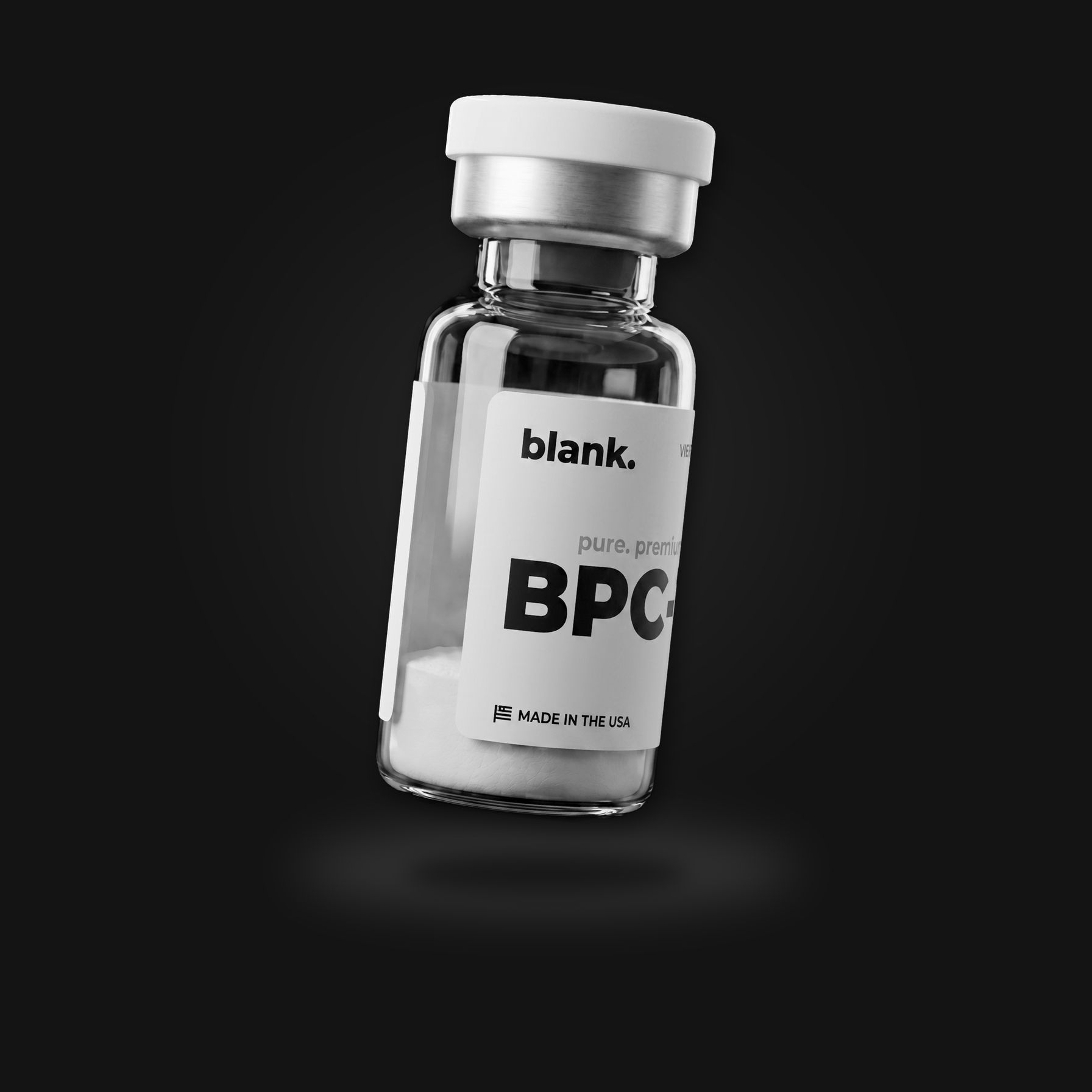
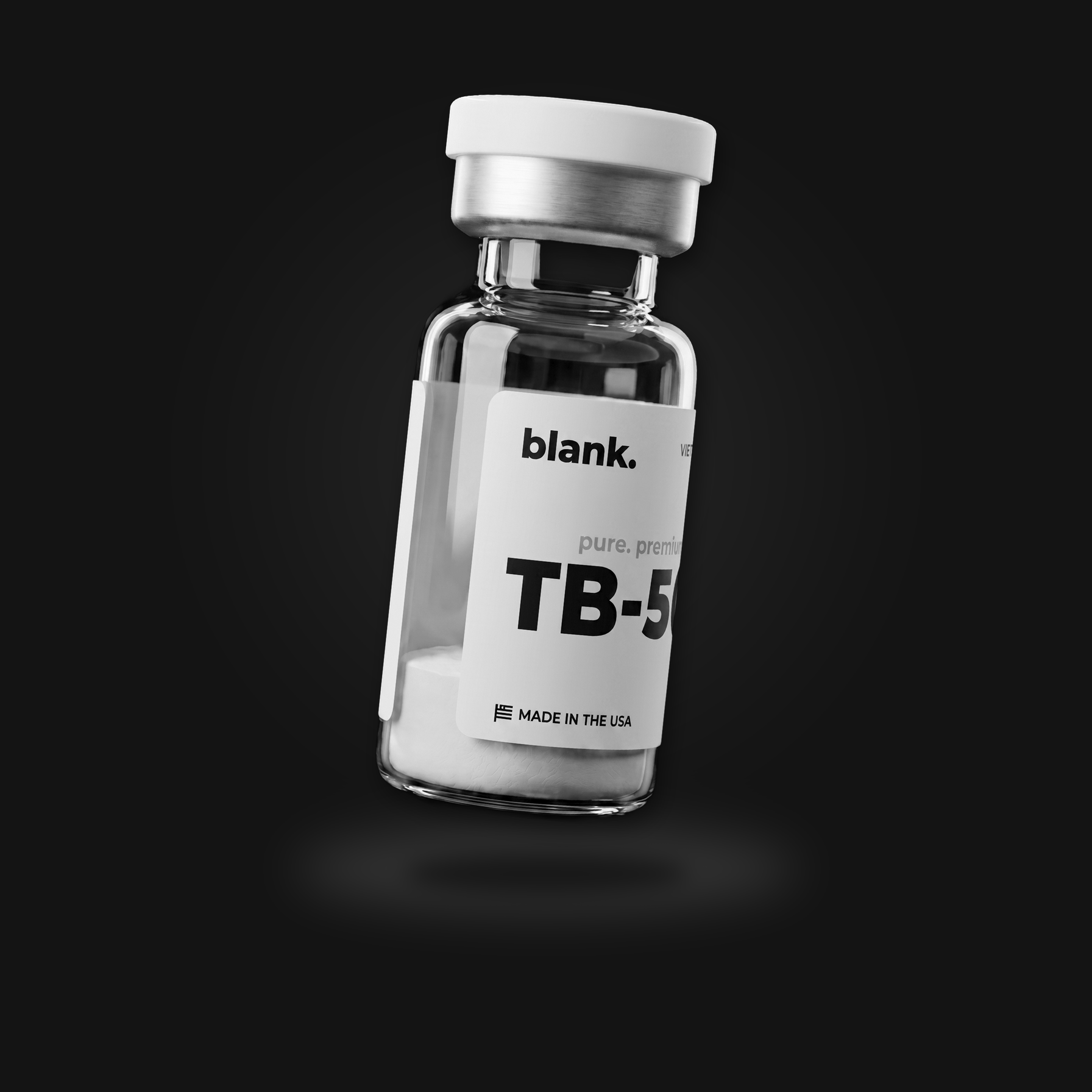
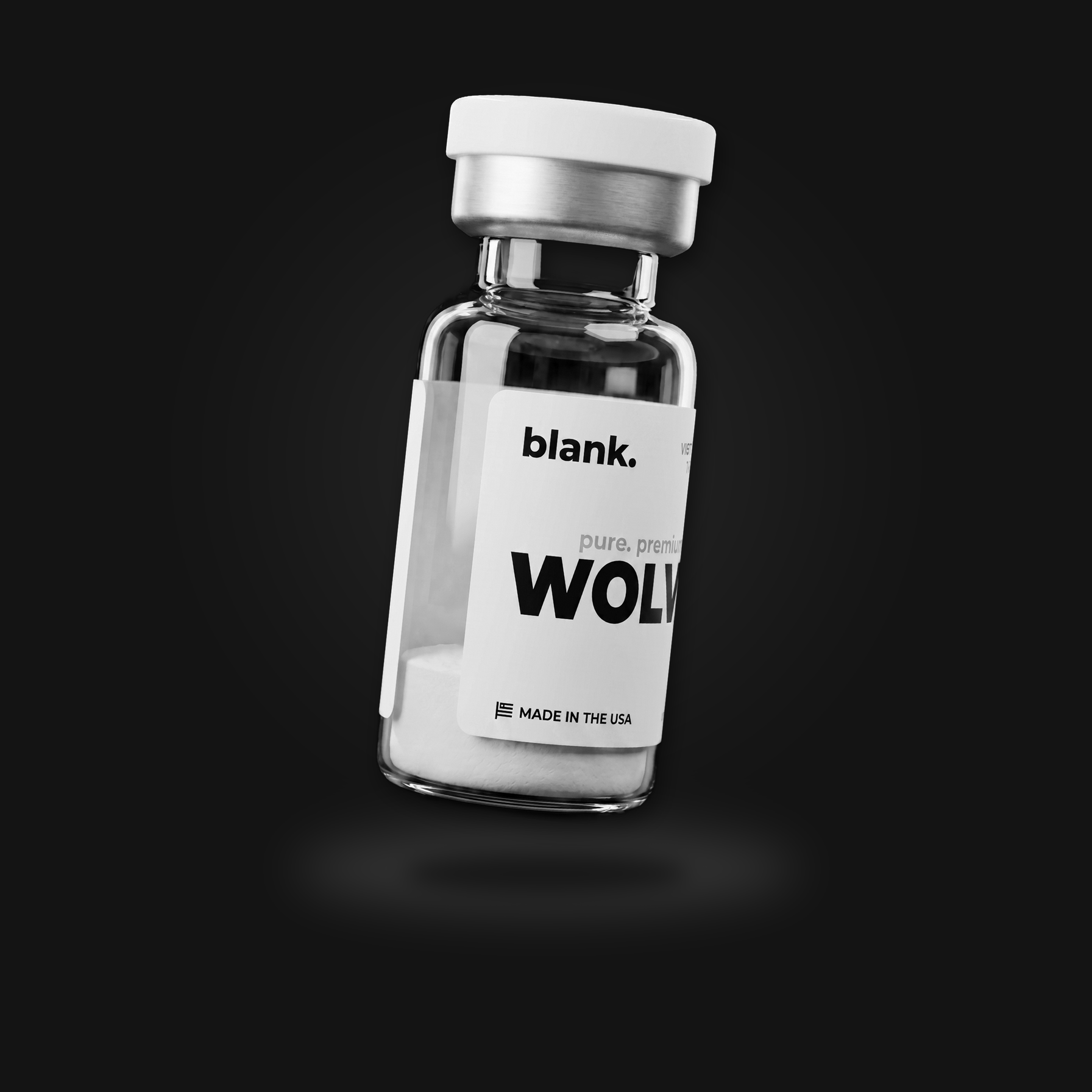

Every lot number above has its report published at blankpeptides.com/coas, tied to the code printed on the vial you receive. Research use only, in vitro, not for human or animal use.
The five checks, on one page
Provenance, named laboratory, panel scope, batch traceability, stated composition. The same standard this article holds Chemyo to, condensed so you can run it against whoever you pick next. Leave a name and an email and it opens right here.
We keep the address for batch and restock notices. Unsubscribe in one click, any time.
Searches like this one usually start with a small wobble rather than any real news. A compound you order disappears from the listing for a few weeks. A forum thread from two years ago turns up at the top of the results and reads like an obituary. You click a link from an old bookmark and land on a domain that carries the name but doesn't look quite like the shop you remember. None of that tells you anything solid, and the uncertainty is annoying precisely because it's low-cost to resolve and nobody resolves it for you.
So let's resolve it. Chemyo closed permanently on 8 September 2026. The company's own site now carries a single notice confirming it, it no longer accepts payment through any channel, and orders placed before the 8th are being fulfilled as normal. Support is still answering questions about previous transactions. That is the whole of the official statement, no reason for the closure was given, and we aren't going to guess at one.
What's actually useful is the second question hiding inside the first. If you're going back to a vendor after a gap, or arriving for the first time on the back of a recommendation someone gave you in 2023, what should you re-check before you order? Documentation changes. Testing programmes change. So does which domain a name points at. Below is a short standard for checking any supplier, then what Chemyo's own pages currently state when you hold them up to it.
Key takeaways
- Re-verify a returning supplier on documentation rather than memory: who makes the material, which laboratory tested it, what the panel covered, and whether a report is tied to a code on the container.
- Blank Peptides synthesises, vials, labels and QC-tests its own lots in a cGMP laboratory, names its testing labs (Freedom Diagnostics and Horizon Analytical), and publishes identity, >99% purity, bacterial endotoxin and sterility for every lot.
- Chemyo closed permanently on 8 September 2026 and no longer accepts payment anywhere. While it traded it published independent third-party verification for identity, purity and concentration, FTIR and HPLC methods, and batch codes linking a purchase to a specific report.
- A named testing laboratory, a statement of who synthesised the raw material before formulation, and endotoxin or sterility results were never listed publicly while the site traded.
- Everything referenced here is research-use-only material for in-vitro laboratory work by qualified professionals, and nothing here is a recommendation for any other use.
What should you re-check before ordering again?
A vendor you used two years ago is, for verification purposes, a vendor you've never used. Ownership can change, testing arrangements can change, the catalog can be rebuilt, and none of that shows up in the shopping experience. The check is the same one you'd run on a stranger, and it takes about twenty minutes.
The first question is whether the site is the site. Read the terms or legal page and see which domain the company names as its own. Then compare that against the address in your browser bar. Names in this category get reused on other domains often enough that this is worth ten seconds, and search results are not a reliable guide to which address a business actually operates.
The second is provenance. Does the site state that it synthesises the material, or does its language describe formulating, mixing, bottling, sealing and coding? Finishing work is a legitimate business and plenty of good vendors do exactly that. But it puts a step between the seller and the chemistry, and you want to know whether that step exists before you need to ask a technical question about it.
The third is whether the testing laboratory is named. A name is checkable. An unnamed accredited third party is a claim you can only accept or decline.
The fourth is the scope of the panel. Purity is one number about one property. Identity is a separate result, and the method matters. Concentration matters for anything sold pre-mixed. Endotoxin and sterility matter for anything approaching cell culture, and their absence from a certificate is not the same as a passing result.
The fifth is traceability. A published report should carry a batch or lot code that also appears on what arrives at your door, and you should be able to find it before paying rather than after.
How Blank Peptides makes and tests each lot
Blank Peptides operates its own cGMP laboratory in the USA and keeps the entire chain internal. Compounds are synthesised in-house, then vialed, lyophilised, finished, labelled and QC-tested by the same team, which the company describes as owning the chain of custody rather than working as a relabeler or broker. It also contract-manufactures and fulfils for other research peptide brands, discussed only as a category of work with no client named.
Every lot goes to two named outside laboratories, Freedom Diagnostics and Horizon Analytical, for a full panel: identity by mass spectrometry, purity by HPLC at >99%, bacterial endotoxin and sterility. Results are published per lot as batch certificates of analysis, and the lot number printed on the vial matches the number on the certificate, which lets a buyer close the loop without asking for anything.
The catalog is 34 compounds, kept narrow deliberately. Blends state composition per component: GLOW is 70mg of GHK-Cu, BPC-157 and TB-500; KLOW is 80mg with KPV added; Wolverine is 20mg of BPC-157 and TB-500. Lyophilised vials carry roughly a 24-month expiration. Processing time is within 1 business day and orders ship at room temperature, which is the standard handling for lyophilised material. Five years in, the company's public argument is that complete per-lot documentation on a small catalog beats partial documentation on a large one, an argument that concedes breadth to anyone who needs it.
What Chemyo publicly states
Chemyo traded at chemyo.com until 8 September 2026. Up to the closure the homepage led with "High Quality SARMs For Sale" alongside "Third-party tested", "99%+ Purity" and "Triple tested before release. 1,000+ samples independently tested across identity, purity, and concentration." The Solutions category listed 18 products, with powders, solvents, nootropics, SERMs, value packs and lab supplies in the wider shop. No peptides appeared in the listings. The terms page identified the business as "Chemyo LLC and http://www.chemyo.com", which is the address to compare against whatever link brought you here, because several shops now carry the name and none of them are the company.
For contrast, a vendor that has genuinely gone tends to say so on its own homepage. Science.bio, for example, currently states that it "has made the decision to permanently close and discontinue the sale of research products", and its homepage carries nothing but that notice. Chemyo's homepage on the date reviewed carried a stocked catalog, a support offer and a shipping promise, which is a different picture entirely.
Its testing page states that "Every Chemyo product is verified by independent, third-party laboratories for identity, purity and concentration. We publish the results in full so you can review them before you buy", with FTIR described as the identity method and HPLC as the purity and concentration method. The site states that "each solution is assigned a batch code, which is a unique series of numbers specific to that batch" and that "Our customers can also see which test reports belong to their specific batch." Its FAQ states testing is done "by one of the most capable and reputable test centers in the United States" and that buyers get "FULL raw 3rd party test data, not just a COA!" The Test Report Data page listed several hundred entries under BA-prefixed batch codes, with documents dated from 2016 through 2026.
Two things there are worth granting outright. Publishing raw data going back roughly a decade is deeper archive coverage than most vendors of any size maintain. And the buyer protection is more concrete than the category norm: the homepage states that if a package "gets lost, seized, or damaged", the company will "happily send you a replacement at no extra cost", with support offered around the clock. We don't publish a comparable guarantee.
A named laboratory, a statement of who synthesised the raw compound before Chemyo formulated and bottled it, and bacterial endotoxin or sterility results were never listed publicly while the site traded. This is not a claim that the documentation did not exist, only that it was never published. The FAQ states shipping "within 24-48 hours excluding weekends and holidays" and shelf life "24 months after MFG", and product pages carried the line "For laboratory research use only. Not for human or animal use."
Side by side: Blank Peptides today against Chemyo as it last traded
| Attribute | Blank Peptides | Chemyo |
|---|---|---|
| Trading today | Yes | No, closed permanently 8 September 2026 |
| Synthesises in-house | Yes, own cGMP laboratory, full chain of custody | States formulating, mixing, bottling, sealing and batch coding; raw material origin not stated — verify |
| Third-party lab named | Freedom Diagnostics and Horizon Analytical | States an unnamed US test center; no laboratory named — verify |
| HPLC purity | >99% per lot | States "99%+ Purity" by third-party HPLC |
| MS identity | Every lot | States FTIR for identity; some archived reports reference LC-MS and GC-MS — verify |
| Endotoxin and sterility | Both, every lot | Not listed on the pages reviewed 2026-09-08 — verify |
| Batch COA before purchase | Yes, lot-tied, at blankpeptides.com/coas/ | States results published in full for review before purchase, keyed to a batch code |
| Catalog size | 34 compounds | 18 solutions listed plus powders, solvents, nootropics and lab supplies; no peptides listed — verify |
| Research-use labelling | Research use only, on every listing | States "For laboratory research use only. Not for human or animal use." on product pages reviewed |
How to verify either supplier yourself
- Open the terms or legal page first and note which domain the company names as its own, then check that it matches the address you're on. Do this before reading anything about products, because everything else depends on being in the right shop.
- Pick the exact product you intend to buy, find its batch or lot code, and open the report carrying that code. If you can't complete that chain in a couple of minutes, ask support to walk you through it and see how the answer reads.
- Look for the words synthesise, manufacture and facility on the about page. Where you instead find formulate, bottle, supply or offer, write to the vendor asking who makes the raw compound and file the reply with your records.
- Match the panel to your application rather than to the vendor's marketing. Pre-mixed solutions call for a concentration assay, cell-culture work calls for endotoxin and sterility, and a purity chromatogram on its own answers neither.
- Work through the supplier verification checklist before placing an order with anyone, ourselves included, and again whenever you return to a supplier after a long gap.
Further reading
Other vendors that stopped trading, checked the same way: Science.bio, Oath Peptides, Behemoth Labz and Amino Asylum.
- Peptide Vendors With Public Per-Batch COA Libraries
- Which Peptide Vendors Name Their Testing Lab?
- Who Actually Manufactures Research Peptides in the USA?
- Best Research Peptide Suppliers: Ranked by What They Document
Frequently asked questions
What happened to Chemyo?
Chemyo closed permanently on 8 September 2026. The notice is on chemyo.com, the company has stopped accepting payment through every channel, and orders placed before the 8th are being fulfilled as normal. No reason was given. If you arrived here from a different address carrying the name, check it against the domain on that notice before you order anything, because several lookalike shops are still taking money under it.
Is Chemyo still selling?
No. It stopped on 8 September 2026, and its own notice states the company no longer accepts payments through any channel. Anything still selling under the Chemyo name is not the company. Before it closed the shop listed 18 products in its Solutions category alongside powders, solvents, nootropics, SERMs and lab supplies.
Does Chemyo sell peptides?
No, and it didn't before the closure either. No peptides appeared in the listings we reviewed on 8 September. The catalog covered SARMs, SERMs, nootropics and solvents, largely as pre-mixed liquid solutions. If your work has moved toward research peptides, you're shopping in a different category and should judge candidates on endotoxin, sterility and a named testing laboratory.
Which laboratory tests Chemyo products?
The site stated that testing was performed by "one of the most capable and reputable test centers in the United States" and published raw third-party data rather than summaries alone. A specific laboratory name was never published. Ask before ordering if a named lab belongs in your records, and keep the written answer.
Is the site still selling under the Chemyo name the real Chemyo?
No. Chemyo LLC named one address on its own terms page, and that address now carries a closure notice saying the company does not accept payment through any channel. Shops trading under the name after 8 September 2026 are not connected to it, whatever the domain looks like and whatever discount code they are running.
Are these products for human use?
No. Everything discussed here, from any vendor named, is intended strictly for in-vitro laboratory research by qualified professionals. Chemyo's terms state products "are intended for laboratory research use only" and its FAQ answers the human-use question with "Absolutely not." Blank Peptides labels every listing research-use-only. Nothing here is guidance for any other purpose.
For research use only. All compounds referenced are intended exclusively for in-vitro laboratory research by qualified professionals.
Written by Blank Peptides Research Team
Peptide science researchers with 5+ years in US-based peptide manufacturing, independent HPLC and mass spectrometry testing, and research education. All content is reviewed for scientific accuracy before publication.
REVIEWED BY
Dr. Tobias S — PhD Chemist, Peptide and Unnatural Amino Acid Synthesis
Dr. Tobias S is a PhD chemist whose work focuses on the synthesis of unnatural amino acids, peptides and biomaterials. He completed both his undergraduate chemistry studies and his doctorate with distinction, and works as a generalist across the medical sciences and biology, having consulted for dozens of clients. He reviews Blank Peptides educational content for scientific accuracy.
Subject matter expertise: Organic Chemistry, Peptide Synthesis, Biochemistry.
