Search for Zenergy Peptides reviews and you’ll get the usual mix: a TikTok unboxing, a forum thread where someone says shipping was fast, another where someone says a vial looked underfilled, and a directory listing that hasn’t rated the vendor at all. None of it is useless, but none of it answers the question you actually have, which is whether the material in the vial is what the label says and whether you can prove it without trusting a stranger’s post.
I’ve come to think that most vendor reviews measure the wrong thing. They measure the shopping experience, which is real but secondary, when what matters for a research supplier is the paperwork: who made the lot, who tested it, what they tested for, and whether you can pull the certificate yourself before you order. A vendor can have glowing reviews and thin documentation, or grumpy reviews and excellent documentation, and only one of those combinations should worry you.
So this is a different kind of review. Instead of scoring Zenergy out of five, I’m going to show you how to read what the company publishes on its own site as of 2026-09-08, using the same five-point rubric we’d apply to anyone, including ourselves. By the end you’ll be able to write your own review, and it’ll be based on documents rather than vibes.
Key takeaways
- A useful vendor review evaluates published lot documentation, since service reviews say little about what’s in the vial.
- Blank Peptides synthesizes and finishes in its own cGMP laboratory and tests every lot at Freedom Diagnostics and Horizon Analytical for identity, >99% purity, bacterial endotoxin, and sterility.
- Zenergy Peptides states cGMP manufacturing in a U.S. facility, a “7x third-party testing standard”, and a public certificates archive of over 100 dated entries.
- On the pages reviewed 2026-09-08, Zenergy did not name its testing laboratory, did not state whether the facility is its own, and gated its catalog and product pages behind a login.
- Every compound mentioned is a research-use-only material for in-vitro laboratory work, and nothing here relates to any other use.
What should a peptide vendor review actually measure?
Let me set the rubric before we get to the vendor, because a review without a fixed rubric ends up praising whatever the site is good at and ignoring whatever it leaves out. Here are the five questions, and I’d suggest you use them for every vendor you ever look at.
One: provenance. Does the vendor synthesize the peptide and fill the vial itself, or does it resell material made by someone else? Either model can work, but a manufacturer can describe its own chain of custody and a reseller has to describe someone else’s. Look for active verbs, “we synthesize”, “our laboratory”, versus passive ones like “manufactured in a cGMP facility” that don’t say whose facility.
Two: is the testing laboratory named? This is the fastest filter in the whole exercise. A certificate from a named lab can be verified by contacting that lab. A certificate from “an independent third-party laboratory” can only be verified by trusting the vendor who posted it, which is the thing you were trying to avoid.
Three: full panel or purity only? HPLC purity tells you the size of the main peak. Mass spectrometry identity tells you the peak has the right mass. Endotoxin and sterility tell you whether the vial belongs anywhere near a cell culture. A purity number alone is a quarter of an answer.
Four: is the batch COA viewable before purchase, and is it tied to the lot on the vial? An archive you can browse is good. An archive where each certificate’s lot code matches a printed vial label is what turns the archive into evidence.
Five: for blends, are the per-component milligrams disclosed? A total mass without a split is a guess.
You’ll notice company age and domain age aren’t on the list. They’re easy to look up and they tell you almost nothing about the quality of a given lot, so we leave them out.
How Blank Peptides makes and tests each lot
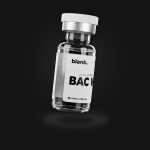
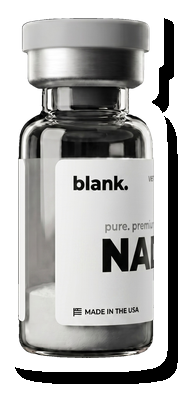
Blank Peptides operates its own cGMP laboratory in the USA and keeps the whole production sequence in-house. The company synthesizes the peptide, lyophilizes and vials it, applies finishing and labels, and runs quality control on site, which gives a single unbroken chain of custody from raw material to sealed vial with no upstream manufacturer and no relabelling step. The facility also contract-manufactures and fulfils for other research peptide brands, a category of work the company acknowledges without naming any client.
Each lot goes to two named independent laboratories, Freedom Diagnostics and Horizon Analytical, for a full panel of identity by mass spectrometry, HPLC purity against a >99% specification, bacterial endotoxin, and sterility. The results are posted as batch certificates of analysis, and every vial carries its lot number so the certificate and the physical product can be matched. Lyophilized material carries roughly a 24-month expiration.
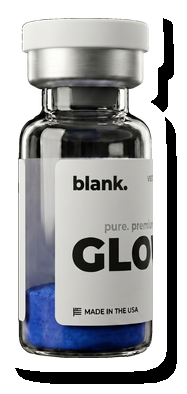
The catalog runs to 34 compounds, and blends are disclosed per component: GLOW 70 mg lists its GHK-Cu, BPC-157, and TB-500 amounts, KLOW 80 mg adds KPV with its own figure, and Wolverine 20 mg shows the BPC-157 and TB-500 split. Processing time is within one business day and shipments go out at room temperature, as is standard for lyophilized peptide. The company has operated for five years and labels all product for research use only.
What Zenergy Peptides publicly states
Zenergy Peptides sells through zenergyusa.com. On 2026-09-08 I reviewed the homepage, About Us, FAQ, shipping policy, and the test-results page, along with the product listings visible on the homepage, and attempted to open the shop catalog and two product pages.
Starting with provenance: the FAQ states, “All Zenergy research compounds are manufactured in a cGMP-certified facility in the United States.” The homepage uses “cGMP-certified U.S. facility”. The About page states the company focuses “on offering dependable, thoroughly tested products at competitive pricing” and gives a business address in Albany, Georgia. Whether the facility is Zenergy’s own or a contractor’s was not listed on the pages reviewed 2026-09-08. The verb is always “manufactured”, and the subject of that verb is never stated.
On the lab: the site describes “American third-party labs”, “independent third-party testing”, and “a third-party U.S. laboratory”. No laboratory name was listed on the pages reviewed 2026-09-08. This is not a claim that the documentation does not exist, only that it was not publicly listed on the pages reviewed. Because the certificates are image files, the name may be printed on them, and a proper review would download one and read it.
On panel scope: Zenergy states a “7x third-party testing standard” covering “purity, content, conformity, endotoxins, microbial growth, heavy metals, and sterility”, and the test-results page states each batch is verified for “purity, identity, net content, and sterility”. That’s a broad description, and it includes heavy metals, which is a test Blank Peptides doesn’t list on its own panel. The analytical methods behind purity and identity weren’t stated in the page text reviewed.
On COA access, Zenergy earns real credit. The public test-results page listed over 100 entries dated July 2025 through August 2026, each linked to a downloadable certificate carrying a batch code such as ZEN-51826 in the filename, all open without an account or purchase. That archive is deeper than most vendors keep, and I’d rather see it than a slick homepage. Whether the batch code is printed on the vial was not listed on the pages reviewed 2026-09-08.
On blends: the Wolverine product name states 10 mg BPC-157 and 10 mg TB-500 in a 20 mg vial, and a “ZEN 1 SM / CAGRI 5/5 10 mg” listing states 5 mg and 5 mg. The product pages and shop catalog displayed a login prompt when opened, so the full descriptions and total catalog weren’t readable.
On shipping: Zenergy states it ships within the United States only, that in-stock orders placed before 12 PM Eastern ship the same day, that orders over $300 ship free, and that all sales are final. One outside data point worth noting: a third-party testing directory, Finnrick, listed Zenergy but stated as of early September 2026 that it had not yet published independent lab results for the vendor.
Side by side: what a documentation review finds
| Attribute | Blank Peptides | Zenergy Peptides |
|---|---|---|
| Synthesises in-house | Own cGMP laboratory; synthesis, vialing, labelling, and QC in-house | States “manufactured in a cGMP-certified U.S. facility”; ownership not listed — verify |
| Third-party lab named | Freedom Diagnostics and Horizon Analytical | States “American third-party labs”; no name on pages reviewed — verify |
| HPLC purity | >99% purity per lot | States purity tested per batch; method not in page text — verify |
| MS identity | Identity confirmed per lot | States “identity” verified per batch; method not in page text — verify |
| Endotoxin and sterility | Both tested per lot | States endotoxins, microbial growth, and sterility tested — verify on certificate |
| Batch COA before purchase | Public, lot-tied, at blankpeptides.com/coas/ | States public archive of 100+ certificates; vial lot match not listed — verify |
| Blend mg split disclosed | Yes, per component | States 10 mg / 10 mg for Wolverine in product name; pages required login — verify |
| Catalog size | 34 compounds | Catalog required login; 24 items visible on homepage — verify |
| Research-use labelling | Research use only | States “for laboratory and research use only. Not for human consumption.” |
How to verify either supplier yourself
- Download three certificates from the vendor’s archive for compounds you’d order and read the lab name, report number, and method off the image; that’s the first paragraph of any honest review.
- Ask the vendor by email whether they own the cGMP facility where synthesis happens, and quote their answer in your notes.
- On arrival, photograph the vial label next to its certificate and confirm the lot codes match; a mismatch is the single most useful thing a review can report.
- For blends, check the per-component milligrams on the label against the listing.
- Score the whole thing against the supplier verification checklist and post that, rather than a star rating.
Further reading
- Which Peptide Vendors Name Their Testing Lab?
- Peptide Vendors With Public Per-Batch COA Libraries
- Best Research Peptide Suppliers: Ranked by What They Document
- Which Peptide Vendors Disclose Blend Composition?
Frequently asked questions
What do Zenergy Peptides reviews say?
Public reviews mostly discuss shipping speed and service, which tells you little about the material itself. A documentation review finds that Zenergy states cGMP U.S. manufacturing, a seven-part testing panel, and a public archive of over 100 certificates, while not naming its laboratory or stating facility ownership on the pages reviewed 2026-09-08.
Are Zenergy’s COAs viewable before purchase?
Yes, as far as I could see. The test-results page listed over 100 dated certificates, each downloadable as an image without an account or purchase. What wasn’t listed on the pages reviewed 2026-09-08 is whether the batch code in the certificate filename is printed on the vial, so check that on delivery.
Does Zenergy name its testing laboratory?
Not in the page text reviewed 2026-09-08, which refers to “American third-party labs” and “a third-party U.S. laboratory”. This is not a claim that no lab is named anywhere; the certificate images may carry the name, so download one, read it, and contact the lab to confirm the report is theirs.
What’s the difference between a service review and a documentation review?
A service review tells you whether the box arrived quickly and the support inbox replied. A documentation review tells you who synthesized the lot, which lab tested it, what the panel covered, and whether the certificate matches the vial. For a research supplier, the second one is the review that protects your work.
Are these products for human use?
No. All compounds from either vendor are sold strictly for in-vitro laboratory research by qualified professionals, and both companies label them that way. Nothing in this article is dosing guidance, medical advice, or a suggestion that any of these materials are appropriate for human or veterinary use.
For research use only. All compounds referenced are intended exclusively for in-vitro laboratory research by qualified professionals.
Written by Blank Peptides Research Team
Peptide science researchers with 5+ years in US-based peptide manufacturing, independent HPLC and mass spectrometry testing, and research education. All content is reviewed for scientific accuracy before publication.
REVIEWED BY
Dr. Tobias S — PhD Chemist, Peptide and Unnatural Amino Acid Synthesis
Dr. Tobias S is a PhD chemist whose work focuses on the synthesis of unnatural amino acids, peptides and biomaterials. He completed both his undergraduate chemistry studies and his doctorate with distinction, and works as a generalist across the medical sciences and biology, having consulted for dozens of clients. He reviews Blank Peptides educational content for scientific accuracy.
Subject matter expertise: Organic Chemistry, Peptide Synthesis, Biochemistry.