Dual GIP / GLP-1 receptor agonist · CAS 2023788-19-2
Tirzepatide (Tirz) Research Peptide
Tirzepatide is Eli Lilly's dual GIP / GLP-1 receptor agonist, a synthetic 39-amino-acid peptide with CAS number 2023788-19-2. It has the largest published literature of any dual incretin agonist, which is a big part of why researchers reach for it when they want a well-characterized reference compound for receptor or metabolic work. This page covers what the molecule is, how the published papers describe its pharmacology, how we handle and store a lyophilized vial, and how each lot is tested. It's written for research use only, and nothing here describes use in a person or in an animal outside a controlled research protocol.
What is Tirzepatide?
Tirzepatide, usually shortened to Tirz in lab notes, is a synthetic 39-amino-acid peptide developed by Eli Lilly and first described in the literature under the code LY3298176. Its class is the dual GIP / GLP-1 receptor agonist: a single sequence that activates both the glucose-dependent insulinotropic polypeptide receptor and the glucagon-like peptide-1 receptor. The backbone is derived from native GIP, then edited so it also engages the GLP-1 receptor, with two non-natural aminoisobutyric acid residues that resist enzymatic cleavage and a fatty diacid on a lysine so the peptide binds albumin and circulates for days. The CAS number is 2023788-19-2.
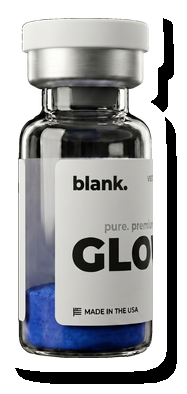
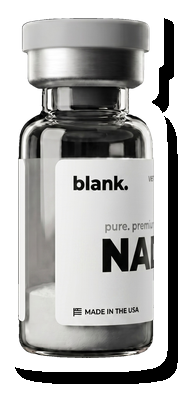
Researchers order it because it’s the most thoroughly described dual agonist there is. The in vitro pharmacology, rodent work and clinical program are all published, which makes it a reliable comparator when you’re characterizing a new incretin analogue or studying how GIP and GLP-1 signaling interact. We stock it in 10mg and 30mg lyophilized vials on the tirzepatide product page, vialed, finished, tested and shipped in the USA.
Structure and mechanism
At 39 residues it’s a linear peptide, longer than semaglutide’s 31 and the same length as retatrutide, though the sequences differ. Willard and colleagues published the detailed receptor pharmacology in 2020 and described tirzepatide as an imbalanced and biased dual agonist. Imbalanced means its affinity at the GIP receptor is close to that of native GIP while its affinity at the GLP-1 receptor is weaker than native GLP-1. Biased means that at the GLP-1 receptor it favors cAMP signaling over beta-arrestin recruitment, which in cell models is associated with less receptor internalization and a more sustained signal.
Both receptors are class B G-protein-coupled receptors, so the standard cell readout is cAMP accumulation, ideally with tirzepatide run alongside native GIP and native GLP-1 on cells expressing each receptor separately. In rodent models the GIP component and the GLP-1 component each contribute to reduced feeding and improved glucose handling, and there’s active debate in the literature about how much the GIP receptor is adding on top of GLP-1 receptor activation alone. That question is still open. A side-by-side with the single and triple agonists is at semaglutide vs tirzepatide vs retatrutide.
What the published research covers
The preclinical foundation is the 2018 Molecular Metabolism paper from Coskun and colleagues, which covers receptor binding and functional assays, pharmacokinetics in several species, and body weight and glucose studies in diet-induced obese mice, alongside early human data. Willard’s 2020 paper in JCI Insight goes deeper on receptor bias and internalization. Since then academic groups have used it in rodent models of obesity, diabetes, liver fat and cardiovascular physiology, and in receptor knockout animals to separate the GIP and GLP-1 contributions.
The clinical literature is large. Lilly’s SURPASS program in type 2 diabetes and SURMOUNT program in obesity produced multiple phase 3 papers, including the SURPASS-2 head-to-head against semaglutide reported by Frias and colleagues in 2021 and the SURMOUNT-1 obesity trial reported by Jastreboff and colleagues in 2022, both in the New England Journal of Medicine. Those trials reported reductions in body weight and HbA1c over their study periods and recorded the gastrointestinal adverse events common to the class. We list them as landmarks so you know where the field stands; none of it describes a result to expect from a research vial.
Reconstitution and handling
The vial arrives with a lyophilized cake, white to off-white, under a rubber stopper and crimp seal. Let it reach room temperature before you open it so condensation doesn’t form on the cold glass, then swab the stopper with alcohol and let it dry. The diluent we recommend for general lab work is bacteriostatic water. Add it slowly down the inside wall of the vial so the cake wets from the edge inward.
Swirl gently or let the vial stand a few minutes; never shake it. Tirzepatide carries a fatty diacid side chain, and lipidated peptides foam and aggregate when agitated, with aggregates that won’t redissolve. The solution should be clear and colorless. If it’s cloudy after standing, set the vial aside and send us the lot number. Keep the process sterile, use a fresh sterile needle and syringe for every transfer, and label the vial with the compound, concentration, date and your initials before it goes into the fridge. How much diluent to add is a decision for your protocol.
Storage and stability
Keep the sealed lyophilized vial at -20C, protected from light, in its box or a foil pouch. The dry peptide is stable for a long time under those conditions, so it makes sense to keep stock frozen and reconstitute only what you’ll work through soon. A few days at ambient temperature in transit doesn’t harm lyophilized material, but it should go into the freezer when it arrives.
Once reconstituted, hold the solution at 2-8C, protected from light, and plan to use it within 28 days. Bacteriostatic water keeps microbial growth in check for that window, but the peptide is slowly hydrolyzing and adsorbing to the glass the whole time, so an old solution isn’t equivalent to a fresh one. Avoid repeated freezing and thawing of the reconstituted solution, since each pass risks aggregation of a lipidated peptide. If one vial has to cover several weeks of experiments, aliquot it into sterile vials right after reconstitution and keep those cold.
How it’s tested
Every tirzepatide lot goes through the same routine as everything else we sell: HPLC purity, mass spectrometry identity and bacterial endotoxin, by a named third-party lab, with the lot COA on the product page. Purity on our lots is >99% by HPLC. A supplier’s word about its own material isn’t worth much, so the lab is named on the certificate where you can check it. Every certificate we’ve received is also in the library at /coas/, searchable by compound and lot number.
Reading a certificate, match the lot number to your vial label first. Then find the HPLC section and look at the main peak area as a percentage of total, which is where the >99% figure comes from, and at the chromatogram itself to see how clean the baseline is. The mass spectrometry section should report an observed mass that agrees with the expected mass for the 39-residue lipidated sequence; that’s the identity check. The endotoxin result should sit below the lab’s stated limit.
Frequently asked questions
What's the difference between tirzepatide and semaglutide?
Why do you stock tirzepatide in 10mg and 30mg?
What does imbalanced and biased mean on this page?
Are these products for human use?
How should I store tirzepatide once it's reconstituted?
Where can I see the COA before I order?
Published references
- Coskun T, Sloop KW, Loghin C, et al. LY3298176, a novel dual GIP and GLP-1 receptor agonist for the treatment of type 2 diabetes mellitus: From discovery to clinical proof of concept. Molecular Metabolism. 2018.
- Willard FS, Douros JD, Gabe MB, et al. Tirzepatide is an imbalanced and biased dual GIP and GLP-1 receptor agonist. JCI Insight. 2020.
- Frias JP, Davies MJ, Rosenstock J, et al. Tirzepatide versus Semaglutide Once Weekly in Patients with Type 2 Diabetes. New England Journal of Medicine. 2021.
- Jastreboff AM, Aronne LJ, Ahmad NN, et al. Tirzepatide Once Weekly for the Treatment of Obesity. New England Journal of Medicine. 2022.
All products are for research use only. Not for human or veterinary use. Nothing on this page is medical advice or an instruction for use.