Research Disclaimer
This article reviews published scientific literature for educational purposes only. All compounds referenced are sold by Blank Peptides exclusively for in-vitro research and laboratory use. Nothing in this article constitutes medical advice, a treatment recommendation, or an endorsement of human use.
Five peptides come up again and again in longevity research, each with a defined mechanism and an ongoing body of published work behind it. Each one acts on a different aging pathway, so they answer different research questions and cannot be swapped for one another.
1. GHK-Cu: The Gene Expression Powerhouse
GHK-Cu leads the list because of the breadth and consistency of its effects. This copper peptide affects expression of approximately 4,000 genes, upregulating collagen synthesis, antioxidant defenses, and growth factors while downregulating inflammatory and catabolic genes.
- Skin: improved collagen, reduced fine lines, barrier function restoration
- Hair growth support and follicle health maintenance
- Cardiovascular: vascular function and collagen in arterial walls
- Broad gene expression changes across multiple tissue types
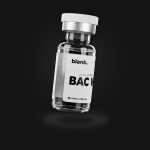
2. BPC-157: The Tissue Repair Engine
BPC-157 is studied mostly for tissue repair, and that work overlaps with aging mechanisms. It upregulates growth factors (VEGF, HGF) and improves tissue repair capacity:
- Musculoskeletal healing: tendon, ligament, bone, and muscle repair
- Neuroprotection and possible nerve regeneration
- Gastrointestinal health: mucosal protection and gut barrier support
- Vascular repair and growth factor signaling
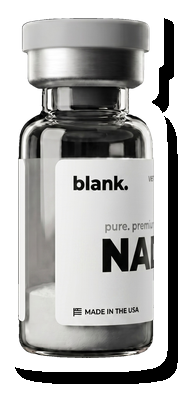
3. NAD+: The Cellular Energy Restorer
NAD+ decline is central to aging. This coenzyme is foundational to mitochondrial function, DNA repair, and sirtuin activation, three processes closely tied to aging.
- Mitochondrial function: improved cellular energy production
- Better glucose and lipid handling
- Muscle strength: measurable improvements in aging populations
- Neuronal energy support and sirtuin-mediated neuroprotection
4. Epithalon: The Pineal and Telomere Peptide
Epithalon has the thinnest evidence base on this list, though what has been published points in a consistent direction:
- Telomerase activation: possible support for cellular longevity through telomere maintenance
- Restored pineal function, which supports circadian health, immune function, and sleep quality
- Melatonin production: all three decline with age and affect the rate of aging
5. GH Secretagogues: Growth Hormone Support
Growth hormone declines with age and contributes to muscle loss, metabolic decline, and reduced recovery. GH secretagogues act on the body’s own signaling, prompting the pituitary to release its own hormone:
- Lean mass improvement: preservation and rebuilding of muscle tissue
- Reduced fat mass and improved body composition markers
- Metabolic changes: improved insulin sensitivity and substrate metabolism
- Faster tissue repair and adaptation
How These Peptides Address Different Aging Hallmarks
- Cellular Energy Decline: NAD+ (mitochondrial function), GHK-Cu (metabolic gene expression)
- Telomere Shortening: Epithalon (telomerase), NAD+ (DNA repair)
- Tissue Deterioration: BPC-157 (growth factors), GHK-Cu (collagen synthesis), GH secretagogues (lean mass)
- Neurological Aging: BPC-157 (neuroprotection), NAD+ (neuronal energy), GHK-Cu (antioxidant defense)
- Circadian Disruption: Epithalon (pineal function), NAD+ (mitochondrial circadian support)
Browse These Compounds
Written by Blank Peptides Research Team
Peptide science researchers with 5+ years in US-based peptide manufacturing, independent HPLC and mass spectrometry testing, and research education. All content is reviewed for scientific accuracy before publication.
REVIEWED BY
Dr. Tobias S — PhD Chemist, Peptide and Unnatural Amino Acid Synthesis
Dr. Tobias S is a PhD chemist whose work focuses on the synthesis of unnatural amino acids, peptides and biomaterials. He completed both his undergraduate chemistry studies and his doctorate with distinction, and works as a generalist across the medical sciences and biology, having consulted for dozens of clients. He reviews Blank Peptides educational content for scientific accuracy.
Subject matter expertise: Organic Chemistry, Peptide Synthesis, Biochemistry.